

Ash trees have shaped Omaha neighborhoods for generations, but many now face a serious threat. The Emerald Ash Borer continues to spread throughout Nebraska, leaving property owners with difficult decisions about treatment and long-term tree health. The infestation often progresses unnoticed until visible canopy damage appears, which means every season matters. Knowing how to spot Ash tree canopy declination symptoms gives you the best chance to protect a valuable tree before irreversible damage occurs.
At Great Plains Tree Care, we have spent years helping Omaha homeowners evaluate Ash trees at every stage of infestation. Our Nebraska-certified arborists understand the subtle warning signs that many people overlook during routine yard maintenance. Early detection creates more opportunities for successful treatment, while delayed action limits available solutions. This experience allows us to recommend practical options based on the actual condition of each tree rather than guesswork. We’re exploring how to spot Ash tree canopy declination symptoms to ensure you have the tools needed to care for your property’s legacy.
Why Ash Tree Canopy Decline Happens
Healthy Ash trees produce dense green foliage across the entire crown during the growing season. When Emerald Ash Borer larvae tunnel beneath the bark, they destroy the vascular tissues responsible for moving water and nutrients throughout the tree. Branches near the top usually lose access to those resources before lower portions of the canopy. The result appears as progressive thinning that spreads each season.
Many homeowners mistake these symptoms for drought stress or normal aging. Unfortunately, Emerald Ash Borer damage develops internally long before leaves begin disappearing. By the time large sections of the canopy appear thin, the infestation has often existed for several years. Professional evaluation can determine whether treatment remains a realistic option.
Look for Thinning at the Top of the Canopy
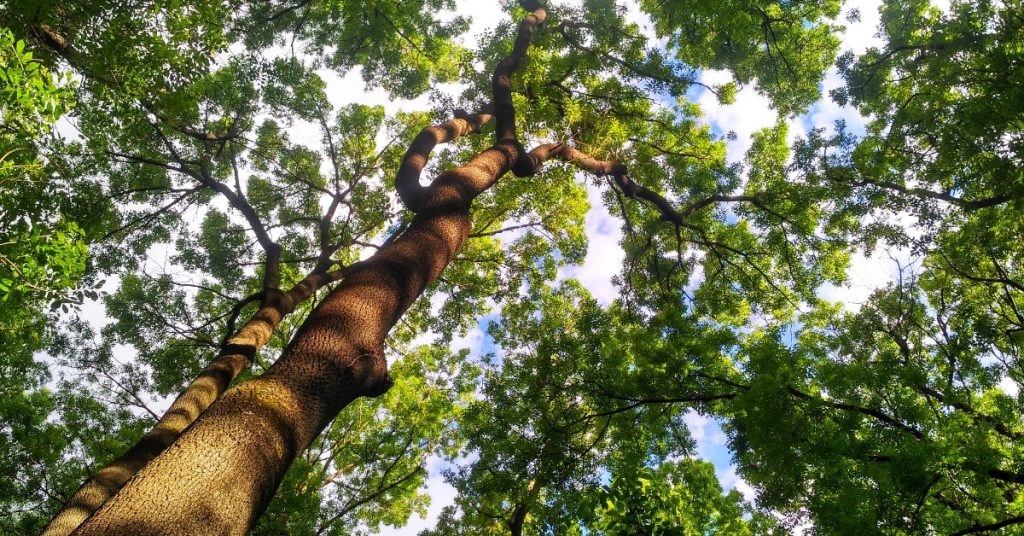
One of the earliest visible indicators appears near the highest branches. Healthy Ash trees maintain a full, balanced canopy from top to bottom throughout the growing season. An infested tree often develops sparse foliage in its upper crown while lower branches still appear relatively healthy. You should never ignore this uneven decline.
Canopy thinning usually becomes more noticeable each year. Individual limbs may produce fewer leaves, and entire sections begin looking transparent when viewed from the ground. Sunlight passes through areas that once appeared dense and full. These changes signal that the tree struggles to transport nutrients effectively.
Watch for Dead Branches Appearing Throughout the Crown
Branch dieback commonly follows canopy thinning. Smaller limbs begin dying first because they receive fewer nutrients after Emerald Ash Borer larvae interrupt the tree’s circulation system. Those dead branches remain attached and become increasingly brittle over time. Larger limbs eventually follow if the infestation continues unchecked.
Deadwood also creates a significant safety concern. Brittle branches can break without warning during thunderstorms or high winds. Falling limbs threaten nearby vehicles, structures, and anyone beneath the tree. Early inspection reduces these risks while preserving more treatment opportunities.
Notice Changes in Leaf Size and Density
Leaves often reveal declining tree health before entire branches die. Infested Ash trees may produce noticeably smaller leaves than normal during spring growth. Foliage also becomes less abundant, creating thin patches throughout the crown. Subtle differences become easier to recognize when compared with nearby healthy Ash trees.
Leaf color may remain green during the early stages. Homeowners sometimes assume the tree remains healthy because discoloration hasn’t developed. Unfortunately, normal leaf color doesn’t eliminate the possibility of an active infestation beneath the bark. Canopy density provides a much more reliable indicator.
Inspect the Trunk for Additional Warning Signs
Canopy decline rarely occurs by itself. Several trunk symptoms often accompany thinning foliage and branch dieback as Emerald Ash Borer populations expand inside the tree. Looking for multiple indicators can confirm that professional evaluation should happen as soon as possible.
Watch for the following red flags:
- D-shaped exit holes left by emerging adult beetles
- Vertical bark splits exposing larval galleries
- Increased woodpecker activity on the trunk
- Sprouts growing from the lower trunk
- Loose bark separating from the wood beneath
- S-shaped feeding tunnels beneath removed bark
Professional Evaluation Determines Your Next Step
Not every declining Ash tree requires immediate removal. Arborists evaluate canopy condition, trunk health, structural stability, and infestation severity before recommending a course of action. Trees that retain enough healthy vascular tissue often respond well to professionally administered trunk injections. Accurate diagnosis prevents unnecessary decisions while protecting healthy trees whenever possible.
Great Plains Tree Care evaluates every property individually. Our Nebraska-certified arborists explain the condition of your tree using clear language instead of technical jargon. We discuss treatment timelines, expected outcomes, and long-term maintenance so that you understand every available option. That approach allows homeowners to make confident decisions based on expert guidance rather than uncertainty.
When Treatment Is Still Possible
Many homeowners assume Emerald Ash Borer automatically means losing the tree. That assumption often proves incorrect when arborists identify the infestation early enough. Trees showing limited canopy thinning frequently qualify for trunk injection treatment before extensive structural decline develops. The key factor remains prompt action.
Trunk injection places treatment directly within the tree’s vascular system. The product circulates throughout healthy tissues and targets Emerald Ash Borer as it feeds beneath the bark. Proper timing allows the treatment to interrupt the infestation before permanent damage spreads through the canopy. Annual monitoring ensures the tree continues responding well over time.
When Removal Becomes the Safest Choice
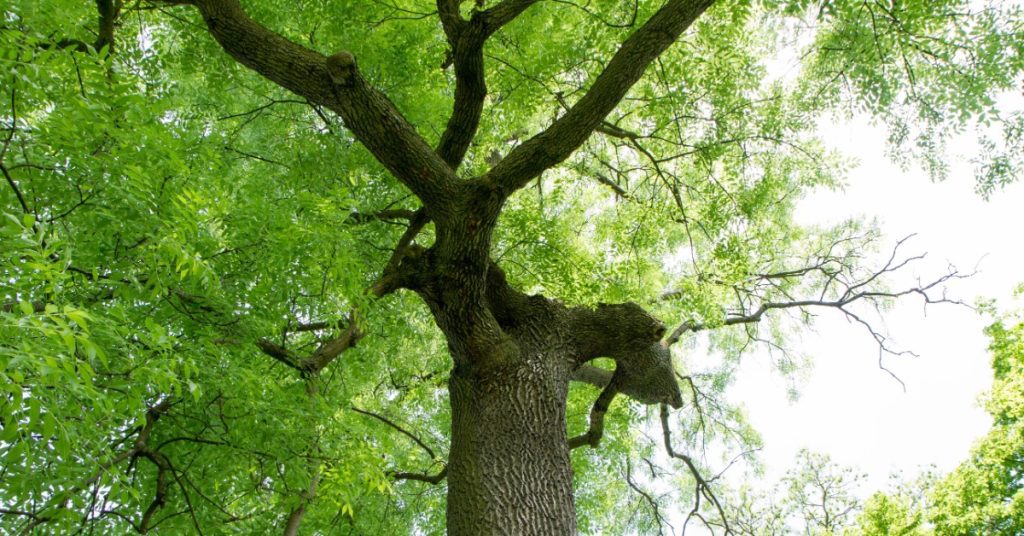
Some infestations advance beyond the point where treatment remains practical. Extensive canopy loss, severe branch dieback, and widespread structural weakness often indicate irreversible decline. At that stage, protecting people and surrounding property becomes the highest priority. Ash tree removal may become the safest recommendation when recovery is no longer realistic.
The City of Omaha coordinates many removal efforts involving infested Ash trees, but homeowners still make important decisions regarding treatment timing and stump management. The tree itself creates the public hazard because Emerald Ash Borer leaves it weak and brittle. The stump doesn’t present that same safety concern, although homeowners may choose stump grinding separately if desired. Property owners can plan the next steps with confidence when they understand municipal guidelines.
Protect Your Property Before Canopy Decline Progresses
Great Plains Tree Care has helped hundreds of Omaha property owners navigate Emerald Ash Borer infestations with honest recommendations and proven expertise. Our Nebraska-certified arborists understand local tree conditions, municipal requirements, and the treatment methods that produce the best results. Whether your tree qualifies for trunk injection or requires another solution, we provide straightforward guidance every step of the way. Contact Great Plains Tree Care at the first sign of Ash tree canopy declination and discover how early action can make all the difference for your property’s legacy.