

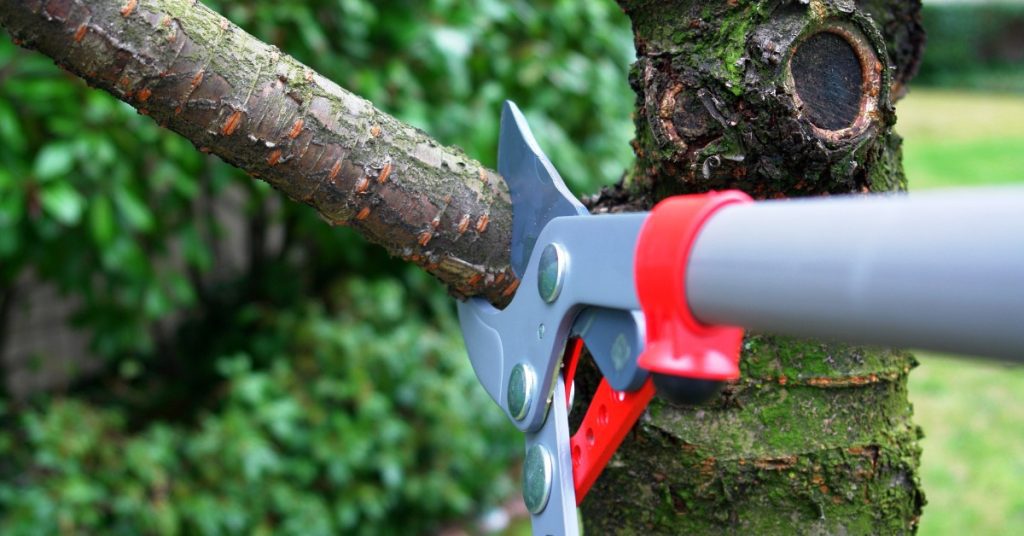
Trees spend the growing season producing leaves, extending shoots, and responding to everything from summer heat to severe Midwestern weather. When winter arrives and many deciduous trees enter dormancy, their slower seasonal activity creates an excellent opportunity for arborists to evaluate branch structure and make carefully planned pruning cuts. Dormant pruning can improve structural integrity by addressing weak, damaged, crowded, or poorly positioned branches before another growing season begins. For Omaha property owners who want strong trees that contribute to their landscape for decades, thoughtful winter pruning can become an important part of long-term tree care.
At Great Plains Tree Care, we approach pruning as much more than a way to make a tree look tidy. Every branch contributes to the tree’s structure, and every pruning cut can influence how that structure develops in the future. Our arborists consider the tree species, branch architecture, surrounding property, customer goals, and overall condition before developing a pruning strategy. A careful approach can preserve valuable trees while supporting the healthy, sustainable growth that makes them part of a property’s legacy. We’re going into detail about why dormant pruning protects structural integrity.
Dormant Pruning Makes Tree Structure Easier To Evaluate
A full canopy can hide structural problems that become much easier to recognize after deciduous trees lose their leaves. Without dense foliage blocking the view, an arborist can examine branch unions, competing stems, crossing limbs, deadwood, and the overall architecture of the crown. This clearer view helps the arborist determine which branches deserve attention and which healthy limbs should remain untouched. Better visibility supports deliberate pruning instead of unnecessary cutting based primarily on appearance.
Structural pruning requires an understanding of how individual limbs fit into the entire tree rather than simply identifying branches that look inconvenient. A crowded section of canopy may contain competing branches that rub against one another, while another section may need its existing growth to maintain proper balance. An experienced arborist evaluates those relationships before choosing where to make cuts. Dormancy provides an opportunity to see those relationships with fewer visual obstacles and develop a more precise plan.
Proper Pruning Encourages Strong Branch Architecture
Young and established trees can develop structural characteristics that increase the likelihood of branch problems as the tree grows. Competing leaders, poorly positioned branches, and crowded growth can create weaknesses that become more significant as limbs gain size and weight. Strategic pruning can guide future growth by reducing unwanted competition while preserving branches that contribute to a strong framework. Addressing structural concerns earlier can also reduce the need for larger, more disruptive cuts later in the tree’s life.
The goal doesn’t involve creating a perfectly symmetrical canopy or forcing every tree into the same shape. Different species develop different natural forms, and skilled pruning respects those biological characteristics instead of working against them. Arborists look for opportunities to improve branch relationships while maintaining enough healthy canopy to support the tree. This species-conscious approach allows structural improvement and natural appearance to work together.
Dormant Pruning Addresses Damaged and Problematic Branches
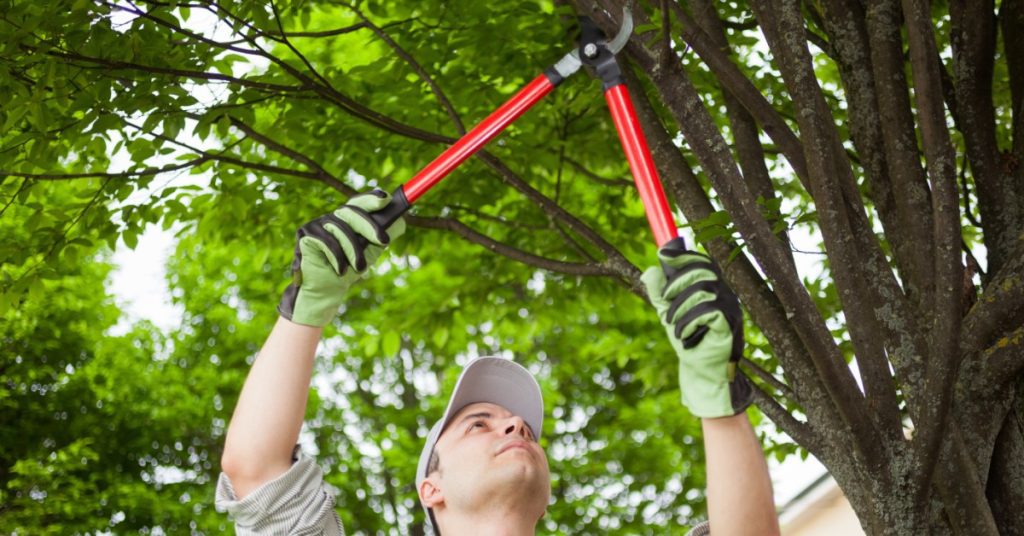
Damaged limbs can place unnecessary stress on a tree and may create hazards around homes, driveways, sidewalks, and other parts of a property. Winter inspection gives arborists a chance to identify broken, dead, rubbing, or structurally questionable branches that homeowners might overlook during the leafy months. Removing an appropriate problem branch can prevent it from continuing to interfere with healthier portions of the canopy. The remaining crown can then continue developing around a stronger structural framework.
Property owners should watch for several conditions that may justify a professional pruning evaluation, including:
- Broken or visibly cracked branches
- Dead limbs within the canopy
- Crossing branches that rub together
- Competing stems or leaders
- Limbs growing toward roofs or structures
- Crowded interior branch growth
- Branches with questionable attachment points
- Growth interfering with the tree’s desired direction
Structural Pruning Protects Trees Around Homes and Property
Trees in urban landscapes rarely grow without constraints because homes, garages, sidewalks, streets, utilities, and neighboring properties surround them. A branch that grows naturally in an open woodland may create a problem when that same growth extends toward a roof or another man-made structure. Proper pruning can manage directional growth while preserving as much healthy tree structure as practical. Planning these adjustments before branches become excessively large often gives arborists more options.
This consideration matters particularly for homeowners with mature trees that contribute significantly to shade, character, and property appeal. Removing a large tree because years of unmanaged growth eventually created an avoidable conflict can represent a substantial loss to the landscape. Regular evaluations and targeted pruning give property owners a way to manage those conflicts proactively. The objective remains preservation whenever the tree’s health, condition, and location make preservation practical.
Professional Pruning Requires More Than a Saw
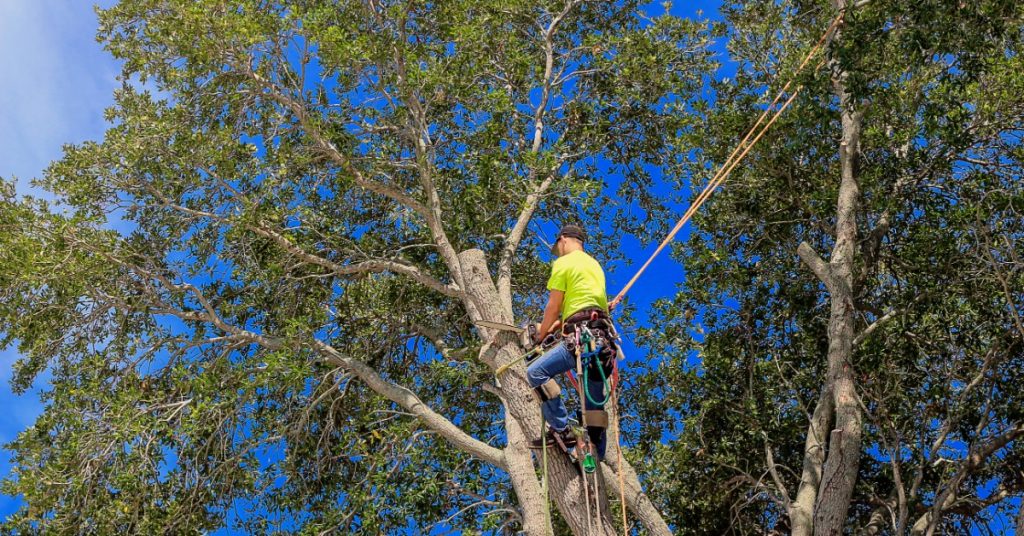
Tree pruning may look straightforward from the ground, but safe and effective work requires knowledge of tree biology, structure, equipment, and proper cutting techniques. The location and size of a cut can influence how the tree responds, while unnecessary removal can compromise the objectives that pruning should accomplish. Professional arborists also evaluate hazards before working around large limbs, elevated canopies, structures, and other obstacles common in urban landscapes. This combination of biological knowledge and practical field experience matters when the goal involves preserving valuable trees.
Great Plains Tree Care employs Nebraska-certified arborists and serves residential and commercial properties throughout the Omaha area. Our approach considers the needs of the tree, the customer, and the surrounding environment before work begins. Property owners looking for tree pruning services should expect more than crews that simply remove whichever limbs appear easiest to reach. They should expect a deliberate plan that connects each cut to tree health, structural objectives, property considerations, and the future development of the canopy.
Make Dormant Pruning Part of a Long-Term Tree Care Strategy
Dormant pruning provides a valuable opportunity to examine the structural integrity of deciduous trees to address appropriate concerns while the branch framework remains easy to see. Great Plains Tree Care combines careful assessment with skilled pruning techniques designed around each individual tree and property. For Omaha-area homeowners and property managers, that means tree maintenance can focus on preservation, structural integrity, safety, and long-term landscape value rather than appearance alone. Request a free estimate from Great Plains Tree Care to discuss whether dormant pruning fits the needs of the trees that define your property.