

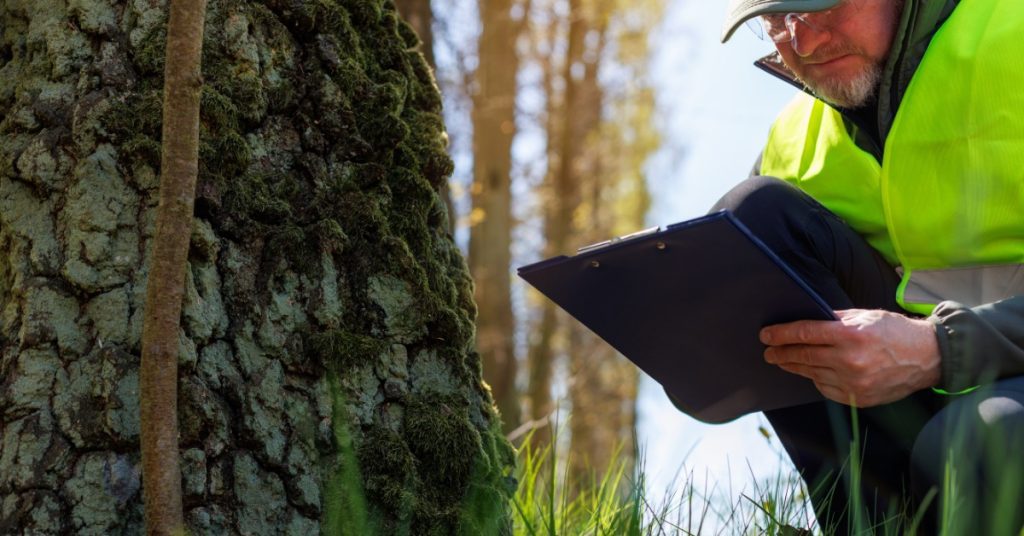
Older trees add beauty, shade, and lasting value to Omaha properties, but they face constant stress from compacted soil, drought, construction damage, insects, and disease. Many homeowners notice thinning canopies, yellowing leaves, or dying branches and assume tree removal offers the only solution. In many cases, professional soil micro-injections provide an effective treatment that restores root health before irreversible damage occurs. Understanding how this process works helps property owners make informed decisions that protect valuable trees for years to come.
Unlike surface fertilization, soil micro-injections place beneficial nutrients and treatments precisely where trees absorb them most efficiently. This targeted approach strengthens stressed root systems without wasting materials on surrounding turf or hardscape. Certified arborists evaluate every tree before recommending treatment because every landscape presents unique challenges. Great Plains Tree Care uses proven methods that support long-term tree health while protecting surrounding landscapes and the environment. Let’s take a closer look at how Omaha soil micro-injections save dying trees.
Why Healthy Soil Determines Tree Survival
Many homeowners focus on what they can see above ground, yet tree health begins below the surface. Roots absorb water, oxygen, and nutrients from soil that often becomes compacted over time. Heavy foot traffic, vehicle traffic, construction, and clay-heavy Nebraska soils restrict root growth and reduce oxygen availability.
When roots struggle, trees display visible signs of decline throughout the canopy. Leaves become smaller, branches die back, and annual growth slows considerably. Surface watering alone cannot solve these deeper issues because the root zone lacks the proper environment for healthy absorption. Soil micro-injections address these underground problems by placing specialized solutions directly where roots actively grow.
What Are Soil Micro-Injections?
Soil micro-injections involve injecting measured amounts of liquid nutrients, organic materials, and other prescribed treatments into the root zone using specialized equipment. Arborists create a consistent grid around the tree to distribute treatments evenly throughout the critical root area. Every injection reaches below the surface instead of remaining on top of the soil where runoff reduces effectiveness.
This precision separates Omaha soil micro-injections from traditional broadcast fertilization. Surface applications often feed grass instead of trees, while rainfall and irrigation may carry nutrients away before roots absorb them. Micro-injections improve efficiency because every treatment reaches the intended location immediately. That precision allows arborists to correct nutrient deficiencies while improving overall soil conditions around valuable trees.

How the Root Zone Receives Maximum Benefit
Healthy roots require much more than fertilizer. They depend on balanced soil chemistry, adequate oxygen, beneficial microorganisms, and proper moisture retention. Soil micro-injections improve several of these factors simultaneously by placing customized treatments beneath compacted surface layers.
Certified arborists determine the appropriate formula after evaluating the tree’s condition, surrounding soil, and environmental stresses. Treatments may include slow-release nutrients, organic soil conditioners, humic substances, or other materials that encourage vigorous root development. Because the solution reaches the active root zone directly, trees begin utilizing those resources much faster than with surface applications.
Why Surface Fertilizers Often Fall Short
Many retail fertilizers promise greener landscapes, but they rarely solve declining tree problems. Granular fertilizers spread across lawns encourage grass growth while delivering only a fraction of nutrients to deeper tree roots. Rainfall may wash nutrients away before absorption occurs, especially on sloped properties or compacted ground.
Surface applications also fail to relieve soil compaction, one of the most common causes of declining urban trees. Dense soil prevents oxygen movement and limits water infiltration even when nutrients remain available. Soil micro-injections bypass those limitations by delivering treatments beneath the compacted layer. That targeted placement provides stressed trees with resources exactly where they need them.
Signs Your Tree May Need Soil Micro-Injections
Property owners often notice warning signs months before severe decline develops. Early intervention gives our arborists more opportunities to restore tree health before permanent damage occurs. Scheduling an evaluation after noticing these symptoms improves the likelihood of successful treatment.
The most common warning signs often include:
- Thin or sparse canopy growth.
- Yellowing or undersized leaves.
- Dead branches throughout the crown.
- Reduced annual leaf production.
- Slow growth compared to previous years.
- Construction damage near root zones.
- Soil compaction from heavy traffic.
- Visible stress during dry summer conditions.
Precision Matters During the Injection Process
Professional soil micro-injections require specialized equipment and arboricultural knowledge. Arborists identify the tree’s critical root zone before placing injection sites in a carefully planned pattern. Uniform spacing ensures even distribution without overwhelming one section of the root system.
The injection depth also plays an important role in treatment success. Arborists place solutions beneath surface vegetation where feeder roots actively absorb nutrients and moisture. This precise placement minimizes waste while maximizing effectiveness across the entire root system. Every treatment reflects the specific needs of the individual tree rather than following a one-size-fits-all approach.
Why Certified Arborists Deliver Better Results
Tree treatments work best when experienced professionals diagnose problems accurately before recommending solutions. Our Nebraska Certified Arborists understand local soils, common tree species, seasonal challenges, and regional pests that affect long-term health. Their knowledge allows them to select appropriate treatment plans instead of relying on generalized fertilizer programs.
As such, Great Plains Tree Care combines more than two decades of local experience with environmentally responsible practices and professional certifications. Our team remains fully licensed and insured while providing specialized tree preservation services throughout Omaha and Bellevue. They also use environmentally sound practices that protect surrounding landscapes while improving tree health for future generations.
Great Plains Tree Care’s Process for Restoring Tree Health
Professional tree preservation begins with a detailed evaluation rather than immediate treatment. Great Plains Tree Care first provides a free estimate after homeowners call, email, or submit an online request. Once the proposal receives approval, the team schedules service and prepares all necessary equipment for efficient completion.
Certified crews arrive with specialized tools and perform treatments according to professional arboricultural standards. After completing the work, they encourage property owners to inspect the results because customer satisfaction remains their highest priority.
If you notice thinning foliage, reduced growth, or signs of stress, schedule a professional evaluation before the damage worsens. As Nebraska Certified Arborists, we can determine whether soil micro-injections offer the right solution for your specific landscape. When you need experienced tree service in Omaha, Nebraska, Great Plains Tree Care provides expert diagnosis and long-term care designed to preserve the trees that matter most. Get a free estimate today to preserve your legacy!