

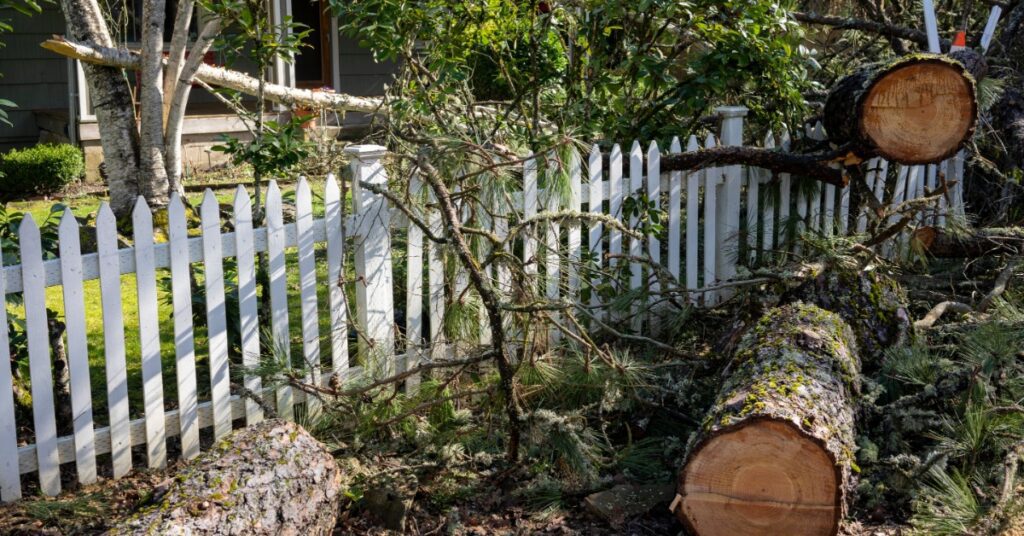
Heavy rain can change the stability of a mature tree faster than many homeowners expect. Soil that normally grips and supports a root system can lose strength as water fills the spaces between soil particles. A tree that stood straight before a storm may begin leaning when its root plate shifts under the weight and leverage of the trunk and canopy. Knowing how to respond can protect your property while giving a qualified arborist the best chance to evaluate what comes next. Great Plains Tree Care goes into greater detail about how to manage leaning trees after heavy rain.
Why Heavy Rain Can Make a Tree Start Leaning
A tree depends on more than deep roots to remain upright through wind, rain, and changing seasons. Its structural support comes from a broad root system interacting with soil that provides enough resistance to hold that system in place. During prolonged or extreme rainfall, saturated ground can lose some of that resistance and allow the root plate to move. The resulting lean may develop gradually during a wet period or appear suddenly after a severe storm.
Large trees create substantial leverage because the trunk and canopy place force on the root system below ground. Wind adds another load, especially when wet leaves and branches increase canopy weight during a storm. If saturated soil no longer anchors the root plate as firmly, that leverage can shift roots, lift soil, or widen existing weaknesses. This combination makes a newly leaning tree different from one that has grown at an angle for years.
Look for Changes Around the Root Plate
The area where the trunk meets the soil often provides important clues after heavy rain. Freshly raised soil on one side of the tree can indicate that roots moved as the trunk leaned in the opposite direction. New cracks, gaps, or mounding near the base also deserve attention because they may show movement within the root plate. Homeowners should observe these signs from a safe distance rather than walking beneath a questionable canopy.
Compare the tree with its appearance before the storm whenever you can. A long-established lean may reflect years of growth toward sunlight, while a new angle after rainfall can point to recent structural movement. Changes in nearby paving, turf, mulch, or exposed roots can also help an arborist understand what happened underground. Photos taken before and after severe weather can provide useful context during a professional assessment.
Know the Warning Signs That Need Fast Attention
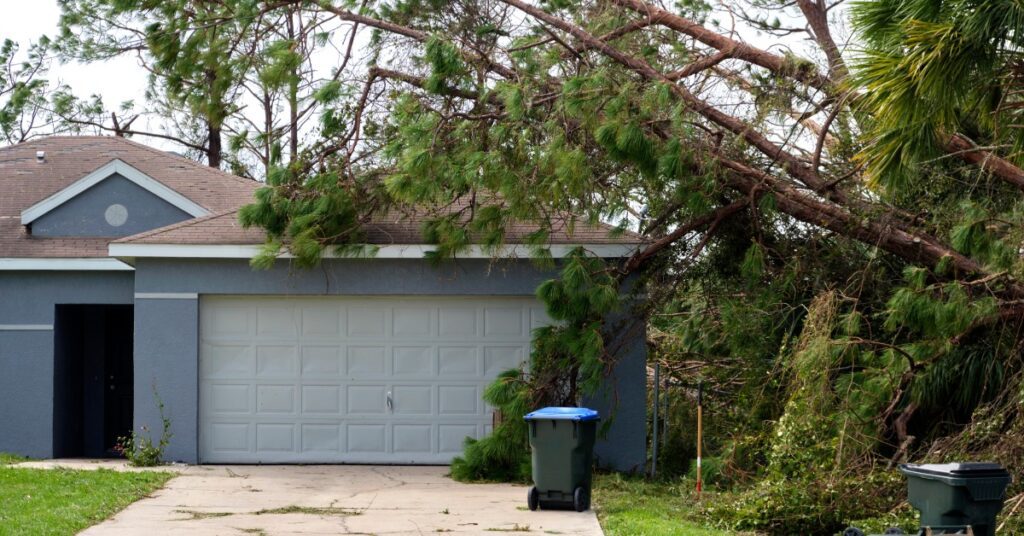
Not every leaning tree will fall, but several visible changes should raise the level of concern. The safest approach involves looking for multiple signs of recent movement rather than judging the trunk angle alone. Avoid standing under the tree or tugging on branches while you inspect the surrounding area. Instead, note visible conditions from outside the potential fall zone and contact a professional when the situation looks unstable.
Watch for warning signs, such as:
- Fresh soil cracks or lifting around the trunk base
- Newly exposed roots or torn root tissue
- A lean that appeared or increased after the storm
- Hanging, split, or partially detached limbs
- Cracks where major stems join the trunk
- Soil movement on the side opposite the lean
- Contact or close proximity to structures, vehicles, or access areas
These signs matter even more when the tree can reach a house, garage, driveway, sidewalk, or other occupied space. A compromised root system doesn’t need to fail immediately to create a serious risk. Additional wind, another round of rain, or normal canopy movement can continue loading a weakened root plate. Prompt evaluation gives the property owner more information before conditions change again.
Keep People and Property Away From the Fall Zone
A newly leaning tree deserves space until a trained professional can assess its condition. Move people, pets, vehicles, lawn equipment, and movable property away from the direction of the lean when you can do so safely. Don’t park beneath questionable limbs or use the affected area as a shortcut around the property. Simple access control can reduce exposure while you arrange the next step.
Homeowners should also resist the urge to push, pull, cable, brace, or cut a large leaning tree on their own. Cutting limbs can change the tree’s balance, while ropes and improvised anchors can introduce forces that an untrained person may not anticipate. Chainsaw work near a loaded trunk or damaged root plate can release stored energy without warning. When the tree presents an immediate hazard, professional emergency tree cutting may provide the controlled response the site requires.
Recheck Trees After the Weather Clears
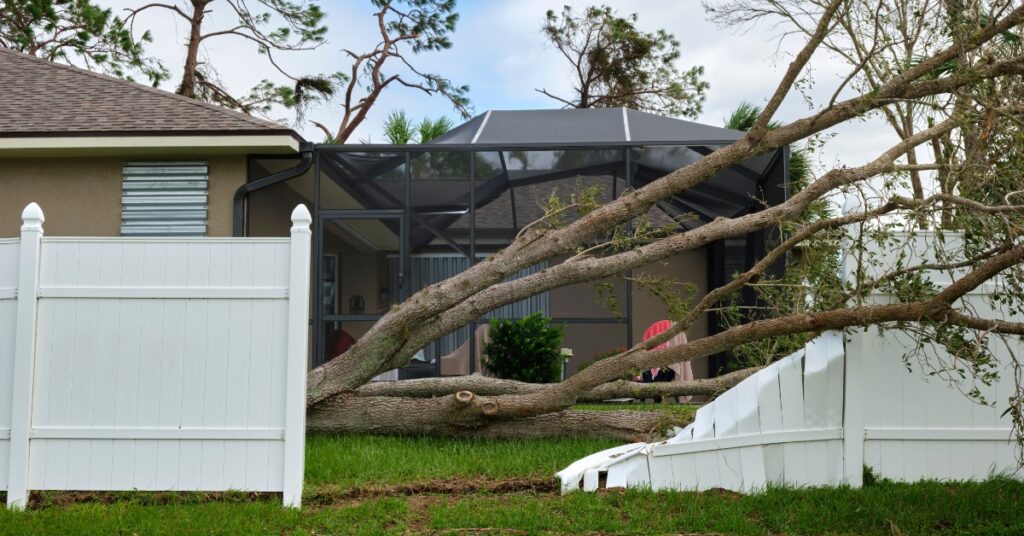
The end of the rainfall doesn’t necessarily end the concern. Saturated ground may remain soft after the storm passes, and a weakened root plate can face additional loading from later wind or canopy movement. Check vulnerable trees again from a safe location as conditions improve, especially if you noticed fresh movement during the storm. Any increase in lean, soil lifting, cracking, or root exposure should prompt another call for professional guidance.
Property owners can also use post-storm inspections to identify trees that need proactive care even when they remain upright. Structural defects, dead branches, poor attachments, and declining tree health can become more consequential during the next severe weather event. Routine professional tree care helps owners understand those conditions before a storm turns them into urgent problems. Managing trees as long-term property assets supports safety and the legacy value of a mature landscape.
Call Great Plains Tree Care When a Lean Changes After Rain
Trees that lean after heavy rain deserve and demand timely attention because the visible angle may reflect movement below the soil surface. Keep clear of the potential fall zone, document what you can safely see, and avoid attempting your own corrective cutting or bracing. Great Plains Tree Care can evaluate storm-related tree concerns and help property owners determine whether the tree needs monitoring, stabilization, pruning, or removal. Acting early gives you more room to make a deliberate decision before another weather event adds new stress.
Omaha weather can move quickly, and tree hazards don’t always wait for convenient business hours. Great Plains Tree Care offers emergency storm response for situations that threaten people, homes, vehicles, or other property. If a tree shifts, cracks, drops major limbs, or begins leaning toward an occupied area, contact the company for a professional assessment and a free estimate. A fast, informed response can turn a confusing post-storm problem into a clear plan for protecting your property and the trees that define it.