

Trees add beauty, shade, and value to any property, but they can also create serious hazards when branches grow near electrical lines. Many homeowners assume they can solve the problem with a ladder, a chainsaw, and a free afternoon. Unfortunately, this decision can result in severe injuries, widespread property damage, or even fatalities. Understanding safe power line tree clearing rules protects your family and your neighbors.
At Great Plains Tree Care, we have spent years helping Omaha-area property owners manage trees in delicate urban landscapes where safety always comes first. Our Nebraska-certified arborists understand how quickly a routine trimming project can become dangerous when electricity enters the equation. We serve residential and commercial clients throughout the Omaha metro with professional tree care that prioritizes property protection and public safety. Our commitment to detailed workmanship and safe practices has earned the trust of homeowners across the region. We’re outlining safe power line tree clearing rules for homeowners to help you avoid costly mistakes.
Why Trees Around Power Lines Create Serious Risks
Electricity doesn’t require direct contact to become dangerous. High-voltage lines can arc through the air under certain conditions, especially when conductive tools or wet branches enter the minimum approach distance. That means someone trimming a tree may suffer severe injury without ever touching the wire itself.
Power lines also present hidden hazards that homeowners cannot easily recognize. Some lines carry neighborhood distribution voltage while others transmit much higher electrical loads. Every overhead utility line deserves the same level of caution because appearances rarely indicate the amount of electricity flowing through it.
Know Who Owns the Trees and Utility Lines
Many homeowners assume they have complete authority over every tree growing on their property. While you own your trees, utility companies also maintain legal responsibilities for electrical infrastructure. Those responsibilities often include vegetation management within utility easements and designated clearance zones.
Before beginning any trimming project, determine whether the tree sits near an easement or directly beneath electrical distribution lines. Contact your utility provider if you have questions about ownership or maintenance responsibilities. They can explain whether they handle the required pruning or whether you should hire a qualified tree service.
Understand the Minimum Safe Distance
One of the most important power line tree clearing rules involves maintaining safe separation distances. Federal workplace regulations establish minimum approach distances for trained workers using specialized equipment. These regulations exist because electricity presents invisible hazards that ordinary homeowners cannot evaluate accurately.
Homeowners should treat every overhead power line as energized. Never climb into a tree that grows into electrical conductors. Never extend pole saws, ladders, or pruning equipment toward overhead wires.
Never Attempt DIY Tree Removal Near Electrical Lines
Many online videos make tree removal appear simple. Those demonstrations rarely show the planning, rigging systems, equipment inspections, and safety procedures that experienced arborists complete before making the first cut. Tree removal becomes far more dangerous when electrical lines enter the equation.
Falling limbs rarely travel exactly where someone expects. Branches can twist, bounce, or slide directly into energized conductors. Ropes can swing unexpectedly, while shifting tree weight changes the direction of falling sections.
Avoid the following dangerous mistakes:
- Climbing trees that touch or approach power lines.
- Using aluminum ladders near overhead electrical conductors.
- Operating chainsaws from unstable positions.
- Pulling branches with ropes toward utility lines.
- Assuming insulated gloves provide complete protection.
- Cutting limbs without understanding tree weight distribution.
Professional crews spend years learning advanced rigging techniques that safely control every section of a tree during removal. This experience cannot be replaced by watching instructional videos.
Storm Damage Makes Every Situation More Dangerous
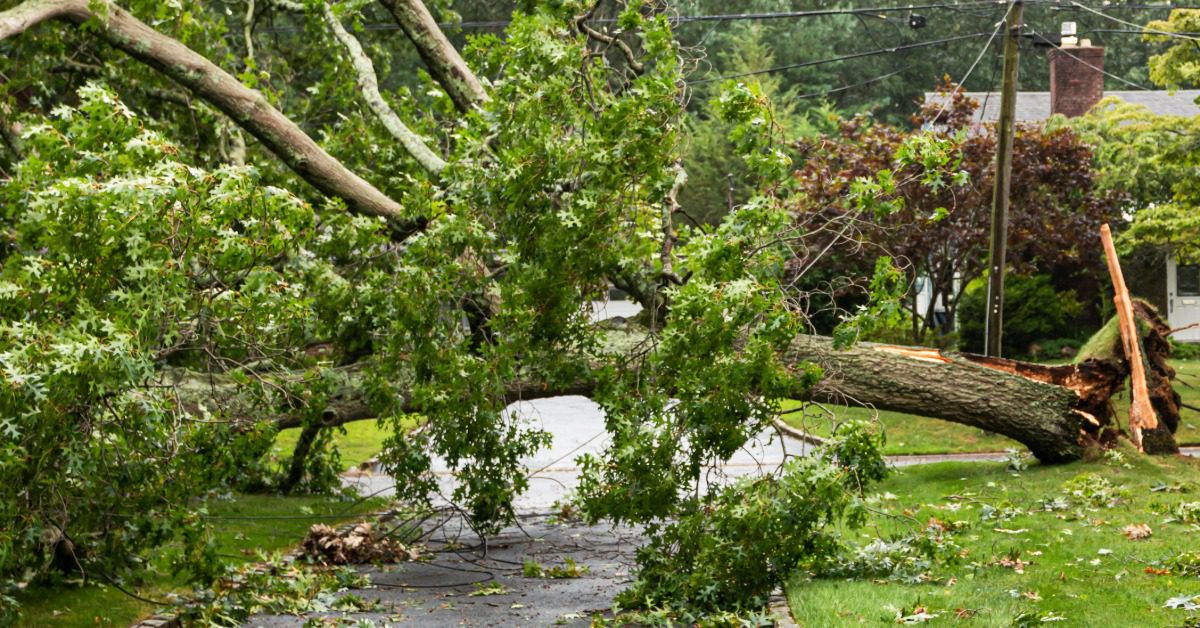
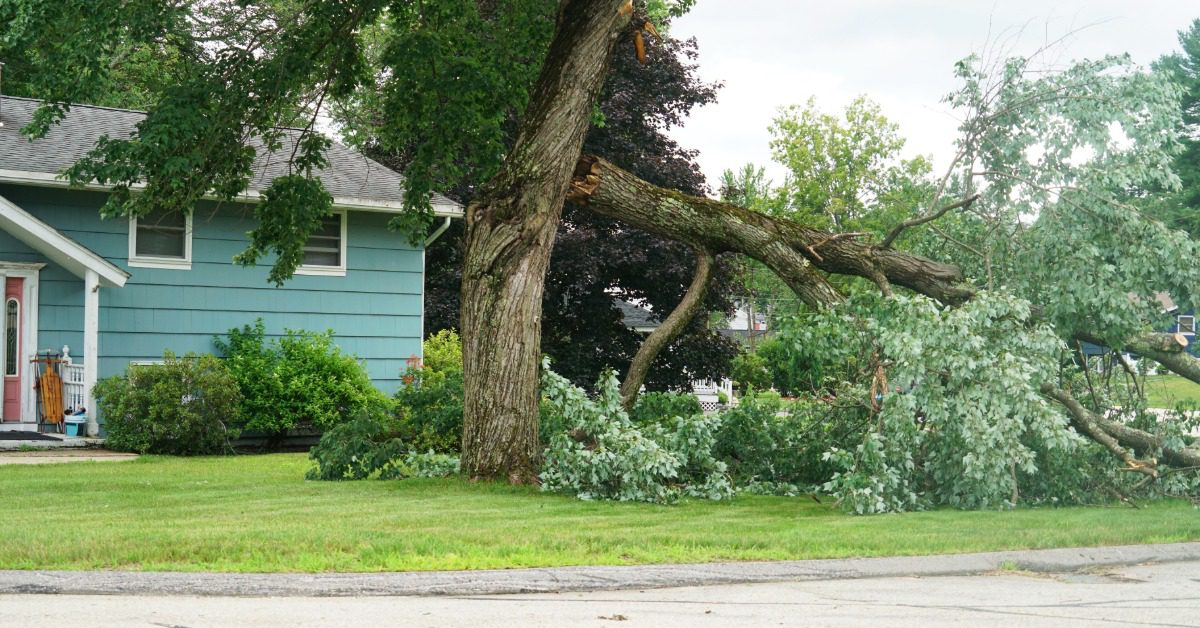
Living around the Greater Omaha area means preparing for unpredictable weather throughout the year. High winds, ice storms, heavy snow, and severe thunderstorms regularly place tremendous stress on mature trees. Storm-damaged branches often remain suspended above homes, driveways, sidewalks, and electrical infrastructure long after the weather clears.
Many homeowners underestimate the stored energy inside broken limbs. A cracked branch may appear stable until someone begins cutting nearby wood. That movement can release tremendous force without warning.
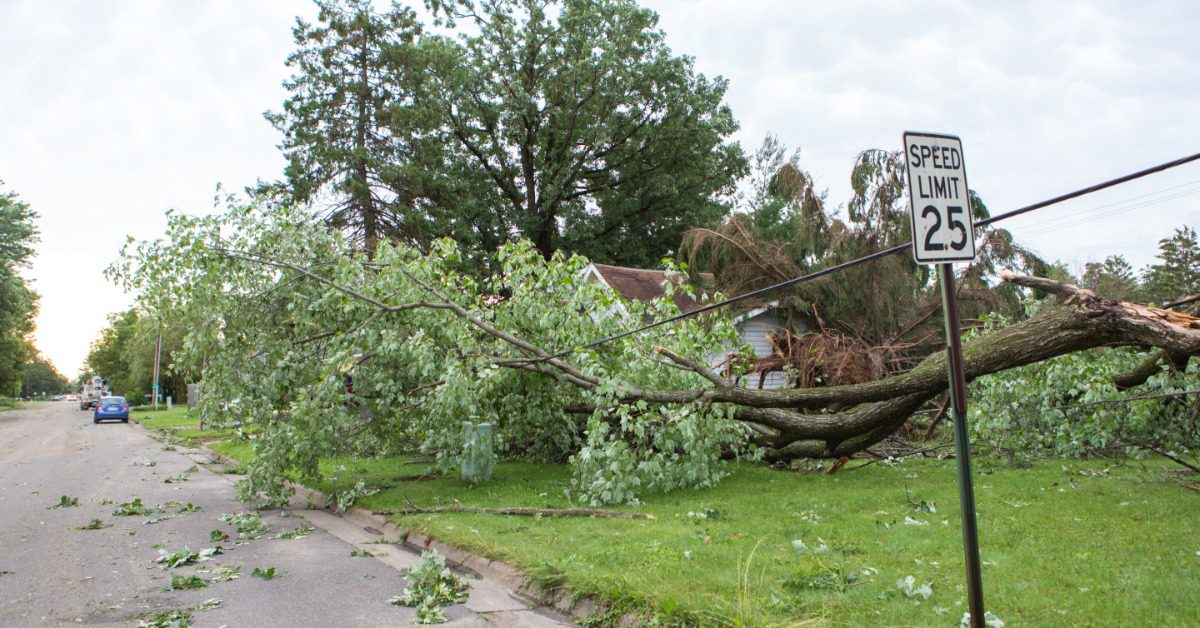
Downed power lines require even greater caution. Never approach, move, or drive over a fallen electrical line. Always assume every wire remains energized until the utility company confirms otherwise.
If storm damage creates immediate danger to your family or property, professional emergency tree removal services should respond as quickly as conditions allow. Waiting too long can allow unstable trees to cause additional damage during the next round of severe weather.
Recognize Warning Signs Before Problems Escalate
Trees rarely fail without giving some indication that structural problems exist. Learning to recognize those warning signs helps homeowners schedule inspections before dangerous situations develop. Early intervention often reduces costs and safety risks.
Watch for dead limbs hanging above electrical lines or structures. Look for cracked branch unions, hollow trunks, fungal growth around the base, or sudden leaning after severe storms. Trees that lose large sections of canopy or develop extensive decay may also require immediate evaluation.
Additional warning signs include branches rubbing against utility lines during windy conditions. Even minor contact can damage the tree and surrounding electrical equipment over time.
Why Certified Arborists Make the Difference
Professional tree care involves much more than cutting branches. Our certified arborists understand tree biology, structural mechanics, species-specific growth patterns, and proper pruning techniques. They also receive extensive training on jobsite safety, hazard assessments, and equipment operation.
Here at Great Plains Tree Care, we specialize in detailed urban tree work throughout Omaha and nearby communities. Our crews know how to protect homes, landscaping, fencing, sidewalks, and neighboring properties while completing complex projects safely. We provide tree removal, aesthetic pruning, stump grinding, storm damage repair, tree preservation treatments, and root-zone fertilization for residential and commercial clients.
Fully insured professionals also provide peace of mind that DIY projects simply cannot match. When specialized equipment, climbing systems, cranes, or rigging become necessary, experienced crews have the training to complete the work efficiently.
Choose Safety Before Convenience
If you notice branches approaching power lines, storm damage affecting electrical service, or trees showing signs of structural failure, schedule a professional evaluation instead of taking unnecessary chances. Great Plains Tree Care proudly serves homeowners and commercial property owners throughout the Omaha area with safe, reliable, and detail-focused tree care solutions. Our Nebraska-certified arborists protect your property, preserve valuable trees whenever possible, and provide dependable service when removal becomes the safest option.