

Dead ash trees create more than an unattractive gap in a landscape because they can quickly develop into serious structural hazards around homes, streets, sidewalks, and neighboring properties. For Omaha property owners, understanding local rules matters because municipal authority, property boundaries, tree condition, and public safety can all influence what happens next. Nebraska law gives metropolitan-class cities broad authority to define, regulate, suppress, and prevent nuisances, which provides an important legal backdrop for local safety enforcement.
Knowing how this framework works helps homeowners respond promptly instead of waiting until a deteriorating ash creates a more complicated problem. Great Plains Tree Care is helping you understand municipal codes for dead ash removal and what you need to know as a homeowner.
Why Municipal Codes Matter for Dead Ash Trees
Municipal codes exist in part to protect people and property from conditions that create unreasonable hazards or public nuisances. Nebraska law grants Omaha, as a metropolitan-class city, authority to enact ordinances that protect public health, safety, property, convenience, and general welfare. Authority matters when a deteriorating tree threatens a sidewalk, street, neighboring property, utility area, or another place where failure could injure someone or cause damage.
Homeowners shouldn’t assume that every ash tree follows exactly the same municipal process simply because Emerald Ash Borer caused the decline. Ownership, tree location, right-of-way boundaries, severity of deterioration, and the specific condition observed can affect how a case proceeds. Omaha’s municipal code also restricts unauthorized cutting or injury to trees growing on public streets, alleys, squares, or parks, so identifying who controls the tree matters before work starts. A professional assessment can help property owners separate a privately owned removal project from a situation that requires coordination with the city or another responsible entity.
Why Dead Ash Trees Become a Public Safety Concern
A healthy tree can flex under wind, distribute loads through living wood, and respond biologically to ordinary injuries, but a dead ash loses those advantages as deterioration advances. Branches can become brittle, internal defects can expand, and weakened sections can fail with less warning than homeowners expect. This progression makes delayed removal especially concerning when an ash stands beside a driveway, sidewalk, house, street, play area, or neighboring property. A tree that looked manageable months earlier can become a much more difficult removal once substantial structural decline develops.
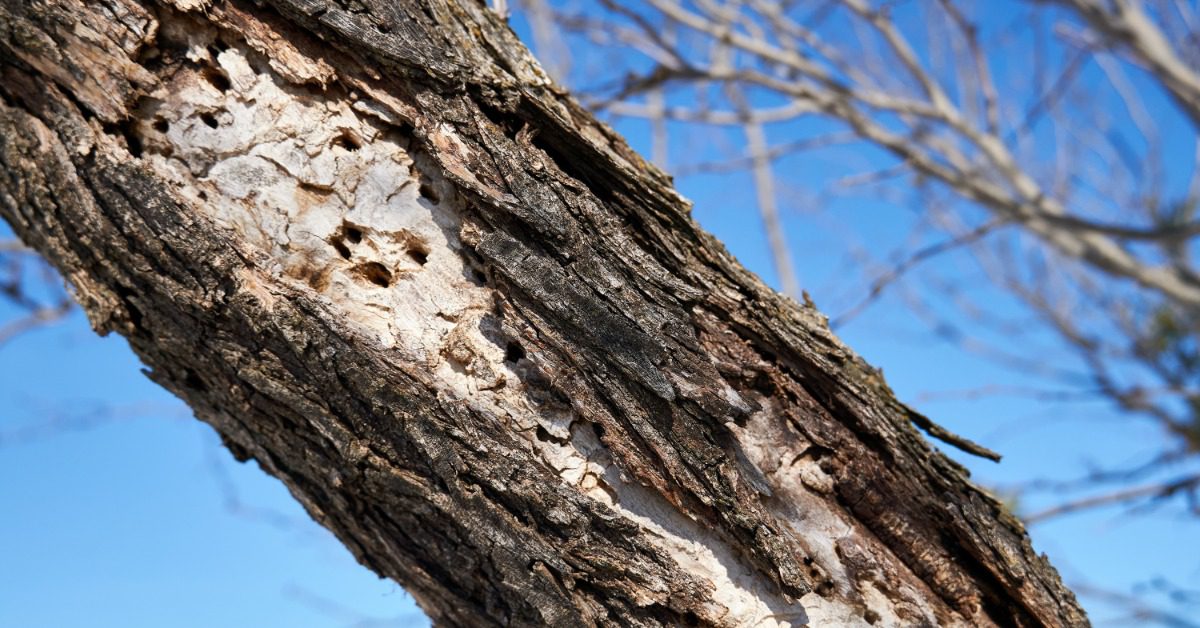
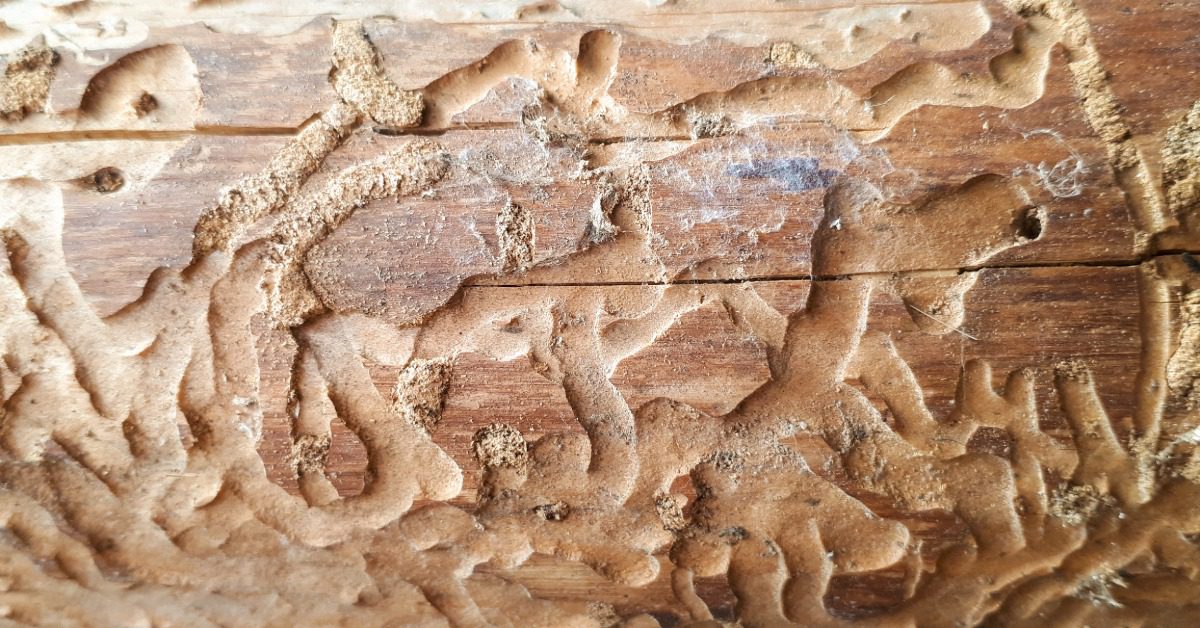
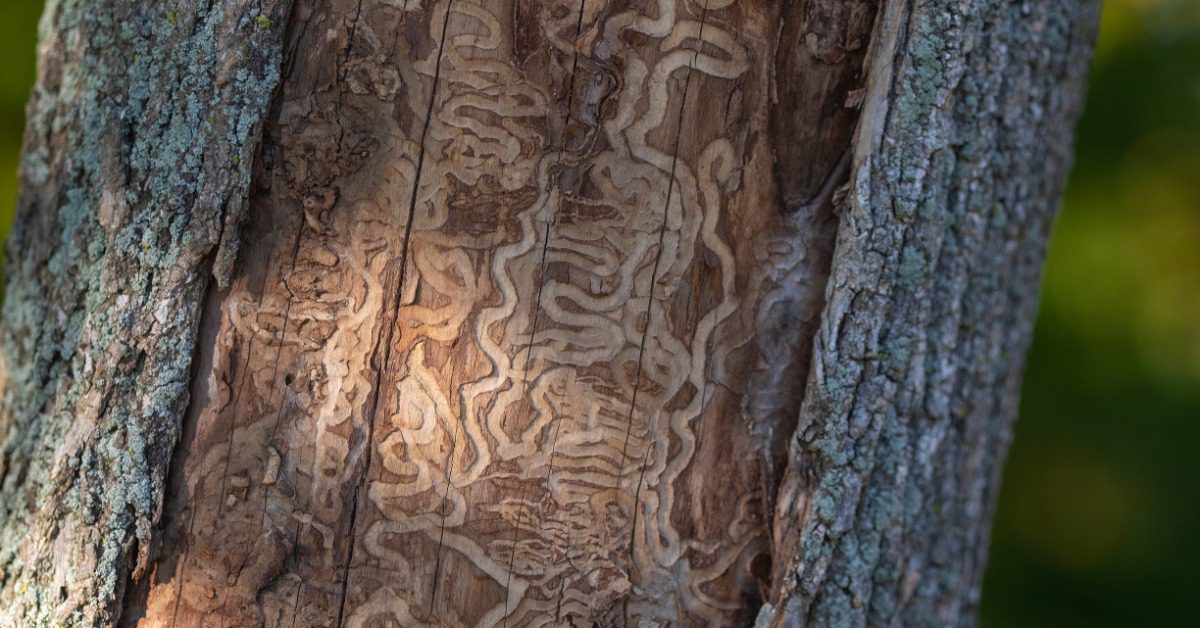
Moreover, Emerald Ash Borer damage can progress before homeowners recognize the full extent of the problem, which makes early evaluation valuable. Canopy thinning, branch dieback, bark changes, epicormic shoots, woodpecker activity, and other signs may indicate that an ash requires closer inspection. Homeowners should avoid treating any single symptom as a complete diagnosis because of drought, construction damage, root problems, and other stresses can produce overlapping symptoms. One of our qualified arborists will evaluate the entire tree to determine whether preservation still makes sense or removal offers the safer course.
What Homeowners Should Do After Receiving a Notice
A municipal notice deserves immediate attention even when the tree has stood in the same location for decades without causing an obvious problem. Read the entire document, note the issuing department, record every listed date, and determine whether the notice identifies the required action or provides instructions for requesting review. Homeowners should also document the tree’s current condition with photographs and retain copies of correspondence, estimates, inspection notes, and completed work records. Good documentation creates a clear timeline and makes conversations with municipal staff and tree professionals much easier.
A practical response can include:
- Confirm the tree and property identified in the notice.
- Record every response or compliance date listed.
- Photograph the tree from several safe locations.
- Avoid standing beneath visibly dead or failing branches.
- Contact the issuing department with procedural questions.
- Schedule an arborist assessment as soon as practical.
- Keep estimates, invoices, and completion records together.
- Verify responsibility before authorizing right-of-way work.
The Difference Between Treatment and Removal
A living ash in suitable condition may still qualify for treatment, while a dead tree cannot recover through trunk injection or another plant-health treatment. Timing therefore changes the available choices considerably, which explains why Great Plains Tree Care encourages owners to evaluate ash trees before decline reaches an advanced stage. Emerald Ash Borer prevention can protect appropriate healthy trees when an arborist starts treatment before irreversible damage develops. Once severe infestation and structural deterioration take over, removal focuses on managing the hazard rather than restoring the tree.
Trunk injections represent a common treatment approach for ash trees that remain suitable candidates for preservation. An arborist should consider tree condition, infestation evidence, structural defects, location, value, and long-term maintenance expectations before recommending continued treatment. No responsible company should promise that every declining ash can or should remain in place because individual trees respond differently to infestation and accumulated stress. Clear evaluation gives homeowners a better understanding of whether continued preservation remains realistic.
Why Waiting Can Make Ash Removal Harder
Dead trees don’t remain structurally unchanged while a homeowner considers the next step. Weather, moisture cycles, decay, wind loading, and ordinary environmental exposure continue to affect branches and wood after the tree dies. As deterioration progresses, climbers and crews may have fewer safe options for accessing or rigging sections of the tree. This change can require different equipment, larger work zones, or more complicated removal methods than an earlier project would have required.
Waiting can also reduce flexibility when municipal concerns, neighboring property, seasonal storms, or contractor schedules enter the picture. A homeowner who acts before a dead ash begins dropping large limbs has more opportunity to discuss access and prepare the surrounding property. Early action also allows the arborist to choose equipment based on a planned removal rather than an urgent failure scenario. This approach supports the careful, property-conscious tree work that Great Plains Tree Care emphasizes throughout its Omaha and Bellevue service area.
Take Action Before a Dead Ash Limits Your Options
Don’t ignore a municipal notice or wait for a visibly dead ash to lose major branches before seeking professional guidance. Confirm the tree’s location, review any city instructions, document its condition, and arrange an assessment from an experienced arborist who understands Omaha’s urban landscapes.
Great Plains Tree Care can determine the tree’s condition, explain practical removal options, and prepare a clear estimate for the work your property requires. Request a free estimate today to address a dead or declining ash before further deterioration makes the job more difficult. And to learn more about municipal codes for dead ash removal, contact our team today.