

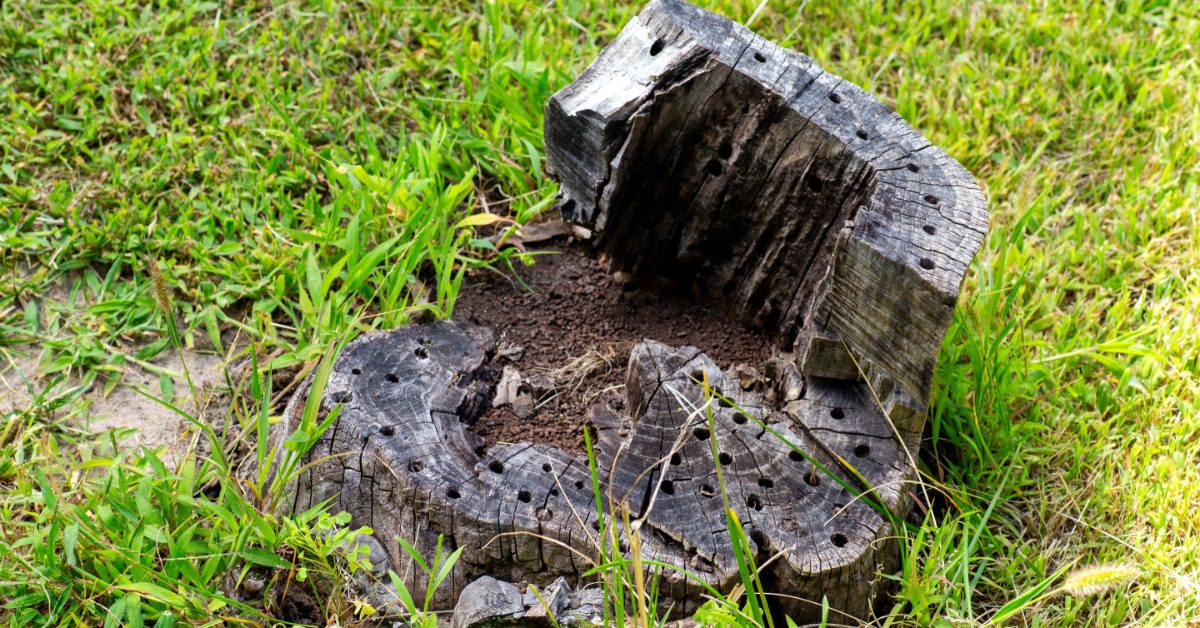
Removing a tree can solve immediate safety, health, or space concern, but the work doesn’t always end when the trunk goes away. The stump left behind continues to interact with the soil, moisture, roots, fungi, and insects throughout the surrounding landscape. As that wood slowly breaks down, it can create the sheltered conditions that many unwanted pests seek. Understanding what happens during decay can help Omaha property owners decide when a forgotten stump deserves professional attention. Great Plains Tree Care goes into detail about how decaying tree stumps attract pest infestations.
Why Old Stumps Become Attractive to Pests
Fresh wood doesn’t immediately turn into a pest habitat, but decomposition gradually changes its structure and moisture content. Fungi and microorganisms begin breaking down the stump’s tissues, which softens the wood and creates spaces where insects can feed or shelter. Cracks, loose bark, cavities, and damp sections make the stump increasingly accessible as the decay process continues. Those conditions can eventually transform an overlooked piece of wood into a convenient home for several types of pests.
Nebraska’s seasonal weather can add another layer to the process because outdoor wood experiences rain, snow, humidity, heat, and freezing temperatures throughout the year. Moisture can collect around low areas of the stump or remain trapped beneath bark and decomposing material. Insects that prefer dark, protected environments can take advantage of those areas without drawing much attention from a homeowner. By the time someone notices obvious insect activity, the stump may already contain extensive galleries, cavities, or nesting spaces.
Termites Can Take Advantage of Decaying Wood
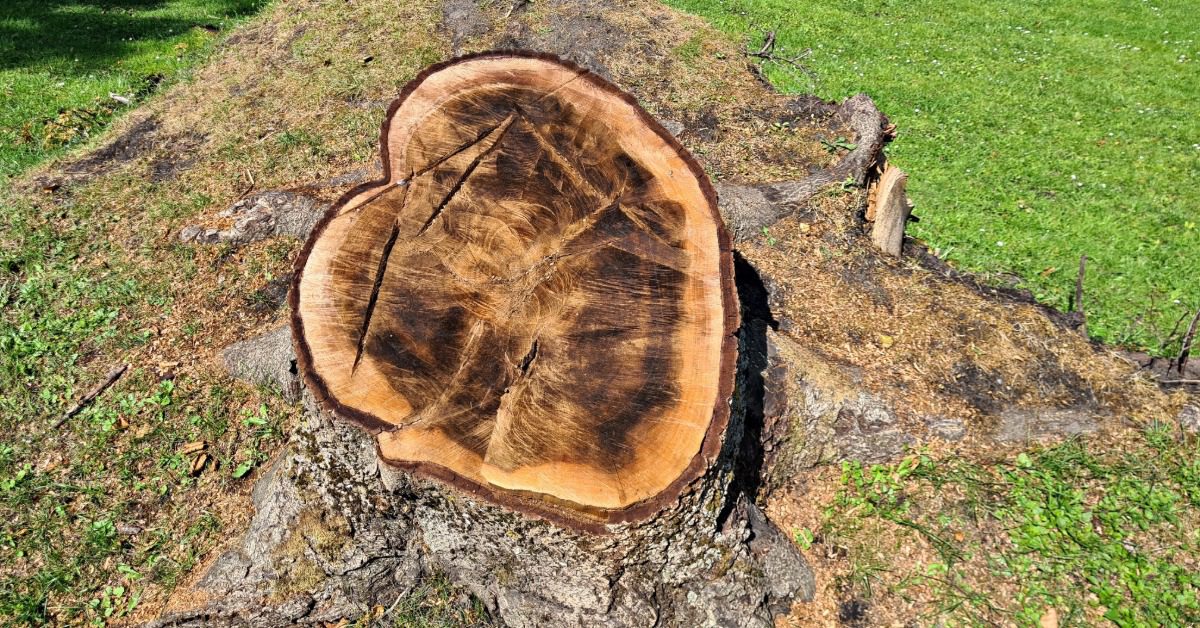
Termites play an important ecological role because they break down cellulose and return organic material to the soil. This natural behavior becomes less welcome when termites find decaying wood close to a house, garage, fence, deck, or other wooden structure. An old stump can provide a dependable food source while allowing a colony to remain relatively hidden underground. The presence of termites in a stump doesn’t automatically mean they will infest a nearby building, but reducing unnecessary wood sources can limit favorable conditions around the property.
Moreover, homeowners should pay attention to mud tubes, hollow sections, damaged wood, discarded wings, or visible insects around aging stumps. Because termite activity often occurs below the surface, casual observation may not reveal the full extent of the problem. Removing deteriorating stump material also eliminates one potential food source from the immediate landscape. A professional can evaluate the stump itself while homeowners should contact a qualified pest professional when they suspect an active termite infestation near a structure.
Carpenter Ants Seek Soft, Damp Wood
Carpenter ants differ from termites because they don’t consume wood as a primary food source. Instead, they excavate weakened wood to create galleries where the colony can nest and expand. Moist, decaying stump tissue gives them material that they can excavate more easily than sound, dry wood. A neglected stump can therefore offer shelter even though the ants don’t actually eat it.
Seeing carpenter ants around an old stump deserves attention, particularly when the stump sits close to a building. Worker ants may travel considerable distances while searching for food, so activity around the yard can extend beyond the original nesting location. Rotting roots can also provide protected underground pathways and nesting opportunities that homeowners cannot easily inspect. Addressing the decaying tree stump removes a favorable habitat and makes the surrounding area easier to monitor.
Beetles and Other Wood-Boring Insects Move In
Decaying wood supports many beetles and wood-boring insects, some of which naturally seek stressed, dead, or decomposing tree material. Adults may lay eggs in cracks or beneath bark, while developing larvae tunnel through the wood as they feed. These tunnels accelerate structural deterioration and can leave the stump increasingly soft and fragmented. Different insects prefer different stages of decay, so the pest population can change as the stump ages.
Common warning signs around a deteriorating stump may include:
- Small holes across exposed wood or remaining bark
- Fine sawdust or wood-like material near the stump
- Loose bark with tunnels underneath
- Visible ants, beetles, larvae, or other insects
- Hollow, soft, or crumbling sections of wood
- Repeated insect activity during warmer months
Pests Are Not the Only Concern
Pest activity often gets the attention, but a neglected stump can create several other practical problems around a residential or commercial property. New sprouts may emerge from living stumps or root tissues when certain tree species attempt to regenerate after removal. These shoots can become a recurring maintenance nuisance and make the area look unfinished. A stump can also interfere with mowing, landscaping changes, foot traffic, and future use of the space.
Decay also weakens the stump over time rather than making it disappear neatly overnight. The wood can become irregular, hollow, or unstable while roots gradually deteriorate beneath the soil. Low areas may eventually develop as underground material decomposes and the surrounding soil settles.
Why Stump Grinding Offers a More Complete Solution
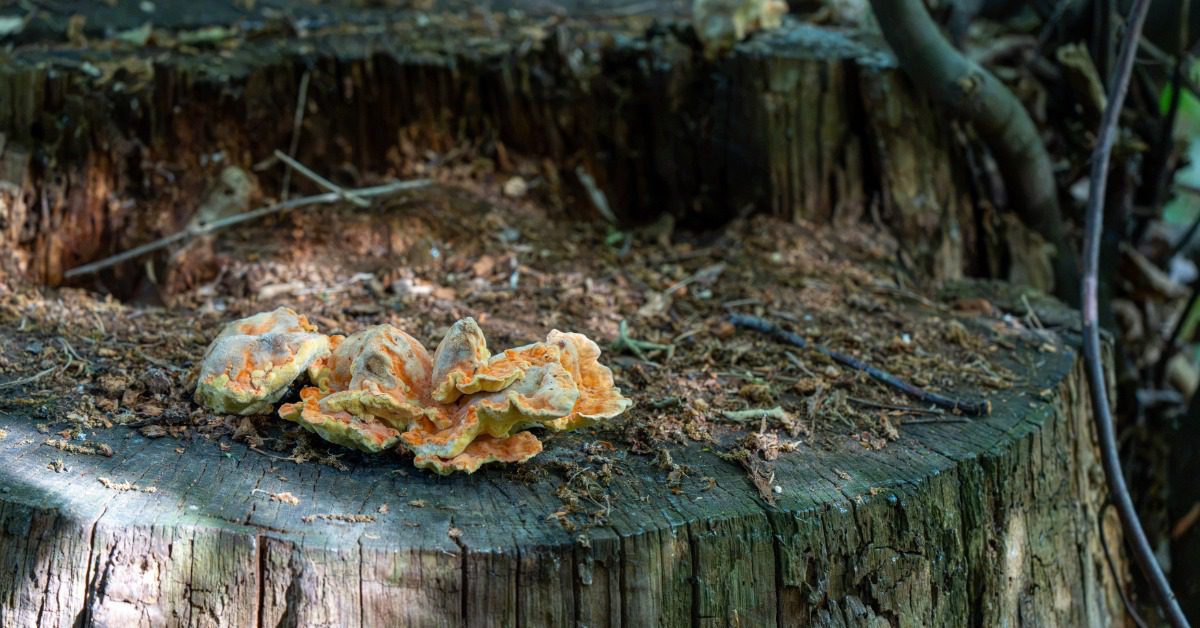
Cutting a tree close to ground level can make the remaining stump less noticeable, but it doesn’t eliminate the underlying material. Professional stump grinding mechanically reduces the stump below grade so that crews can remove the bulky wood that occupies the area. The process can also address accessible surface roots depending on the site, equipment, utilities, and future plans for the space. This creates a much cleaner starting point for restoring the yard and reduces the amount of exposed decaying wood available to pests.
Great Plains Tree Care approaches tree stump removals in Omaha with an understanding of the visible stump and the larger tree system beneath it. Our certified arborists know that different species, root structures, site conditions, and nearby obstacles influence the appropriate approach. Specialized equipment allows our trained crews to work efficiently while accounting for surrounding property and landscape features. This expertise becomes especially valuable when a large stump sits near structures, pavement, utilities, fences, or established landscaping.
Give Your Property a Clean Slate
Great Plains Tree Care brings Nebraska-certified arborist expertise, professional equipment, and local tree knowledge to stump grinding and comprehensive tree care. Our team understands Omaha’s urban forest and the challenges that mature trees can create above and below ground. We help homeowners and commercial property managers make informed decisions that protect their properties rather than simply treating tree work as another transaction. Contact Great Plains Tree Care to request a quote and put that old stump—and the problems it can invite—behind you.