
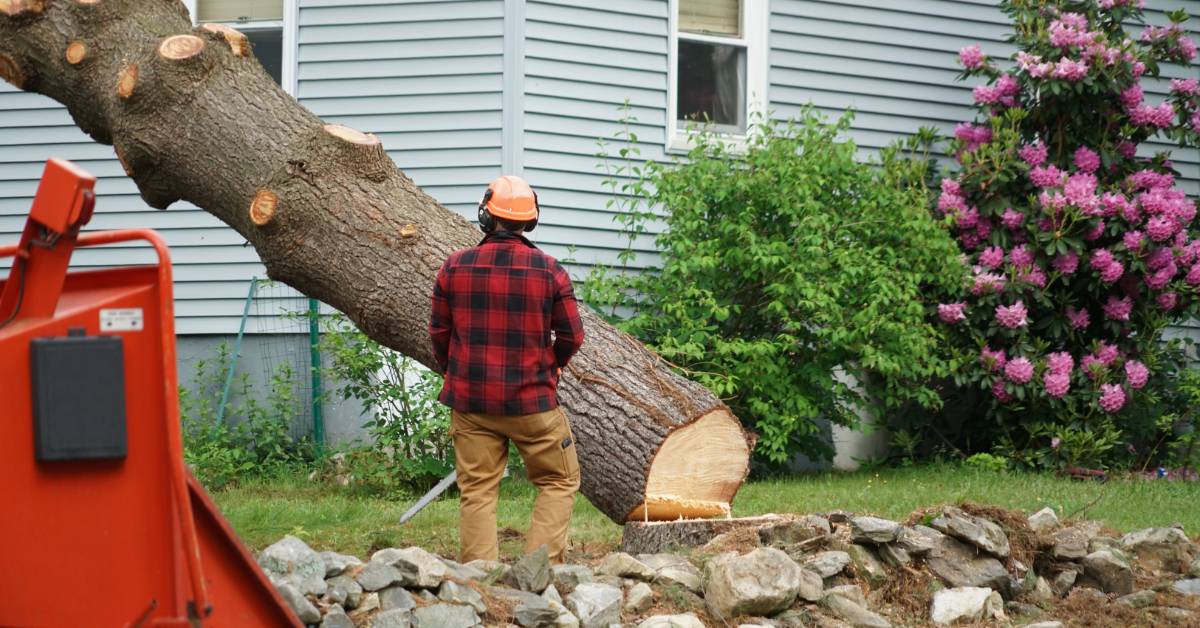
Emerald ash borer has created serious challenges for Omaha homeowners, especially when mature ash trees become hazardous and require expensive removal. These trees provide valuable shade, neighborhood character, and property appeal, making their loss financially and emotionally difficult.
Fortunately, understanding municipal responsibilities, property easements, and potential financial assistance can help homeowners navigate removal expenses. Finding funding assistance for Omaha ash removal begins with identifying who holds responsibility for the tree and which programs may cover the work.
Understanding Omaha’s Ash Tree Removal Responsibilities
The City of Omaha has addressed emerald ash borer infestations through public tree removal initiatives, but municipal responsibilities differ from private property obligations. Homeowners generally bear responsibility for managing hazardous trees on their private property, including arranging professional inspections and removal. However, trees within public rights-of-way or municipal property may fall under different maintenance arrangements. Determining the tree’s exact location helps homeowners understand whether public resources might apply before committing to removal expenses.
Omaha’s response to emerald ash borer has included funding for removing affected trees from public spaces. These municipal allocations address public safety concerns rather than guarantee financial assistance for every private ash tree. Homeowners should contact the appropriate city department to confirm current removal policies and public-property responsibilities. Early communication can prevent misunderstandings about eligibility, payment obligations, and available municipal services.
How Property Easements Affect Ash Removal Costs
Property easements can complicate removal responsibilities when declining ash trees stand near sidewalks, utility corridors, or public access areas. An easement grants specific usage rights without necessarily transferring property ownership or tree maintenance obligations. Consequently, homeowners should review property surveys, recorded easement documents, and municipal boundaries before assuming another organization must pay. Understanding these legal distinctions can prevent unexpected expenses and scheduling conflicts during removal.
Utility easements deserve particular attention because trees near electrical infrastructure may require specialized safety procedures. Utility providers sometimes manage vegetation that threatens their equipment, but their responsibilities depend on applicable agreements and operating policies. Homeowners should contact the utility company before arranging work around power lines or other sensitive infrastructure. A professional arborist can also identify site conditions that influence removal methods and equipment requirements.
Exploring Municipal Grants and Community Funding
Municipal funding programs may support neighborhood improvements, public safety projects, or community forestry initiatives throughout Omaha. However, homeowners should understand that these programs don’t necessarily reimburse individual residents for removing private ash trees. The Omaha Community Foundation administers neighborhood grant opportunities that support eligible community groups and neighborhood improvement projects. Applicants must review current program requirements to determine whether a proposed project qualifies for assistance.
Neighborhood associations may offer a useful starting point when emerald ash borer affects multiple properties within the same community. Coordinated improvement projects sometimes align more closely with community grant objectives than individual removal requests. Still, grant administrators determine eligibility, approved expenses, award amounts, and application deadlines according to current program guidelines. Homeowners should confirm these details before including potential grant money in their removal budgets.
Identifying Other Financial Assistance Options
Homeowners who cannot access municipal assistance should investigate additional resources that may address removal expenses. Different organizations maintain different eligibility standards, and some options only apply under specific circumstances. Researching several legitimate possibilities can help property owners understand their financial responsibilities before scheduling major work.
The following resources provide practical starting points for exploring assistance or clarifying payment obligations:
- Municipal departments: Confirm public right-of-way responsibilities and current ash removal programs.
- Neighborhood associations: Investigate eligible community improvement grants and coordinated projects.
- Utility providers: Clarify vegetation management responsibilities near electrical infrastructure.
- Homeowners’ associations: Review maintenance obligations for trees within shared community spaces.
- Insurance providers: Determine whether specific damage circumstances qualify under existing coverage.
- Community organizations: Explore active assistance programs and applicable eligibility requirements.
Documenting Ash Tree Damage for Funding Requests
Accurate documentation can strengthen funding inquiries and help organizations understand why a particular tree requires attention. Homeowners should photograph canopy decline, dead branches, bark damage, nearby structures, and any visible safety concerns. Property surveys and maintenance records can also clarify ownership questions when trees stand near easements or municipal boundaries. Organizing these materials before contacting funding administrators creates a clearer picture of the situation.
A professional arborist assessment provides additional insight into the tree’s health and structural condition. Emerald ash borer larvae feed beneath the bark, damaging tissues that transport essential nutrients and water throughout the tree. As infestations progress, affected ash trees can develop substantial canopy decline and increasingly brittle branches. Professional evaluations help homeowners distinguish manageable infestations from conditions that justify complete removal.
Comparing Ash Treatment and Removal Expenses
Not every infested ash tree requires immediate removal, especially when homeowners identify the problem before extensive damage develops. Professional Emerald Ash borer treatment through trunk injection can protect suitable trees and manage infestations when arborists intervene early enough. However, severely declining trees may no longer offer realistic preservation opportunities, particularly when structural deterioration creates safety concerns. Comparing these options helps homeowners avoid unnecessary removal while recognizing situations that require decisive action.
Treatment and removal also involve different long-term financial considerations for property owners. Trunk injections require continued management according to the treatment product, infestation pressure, and professional recommendations. Removal creates a larger immediate expense in many situations, but it eliminates the standing hazard associated with a severely compromised tree. An arborist can explain which approach makes sense based on the tree’s condition, location, and remaining structural integrity.
Why Early Planning Protects Your Property and Budget
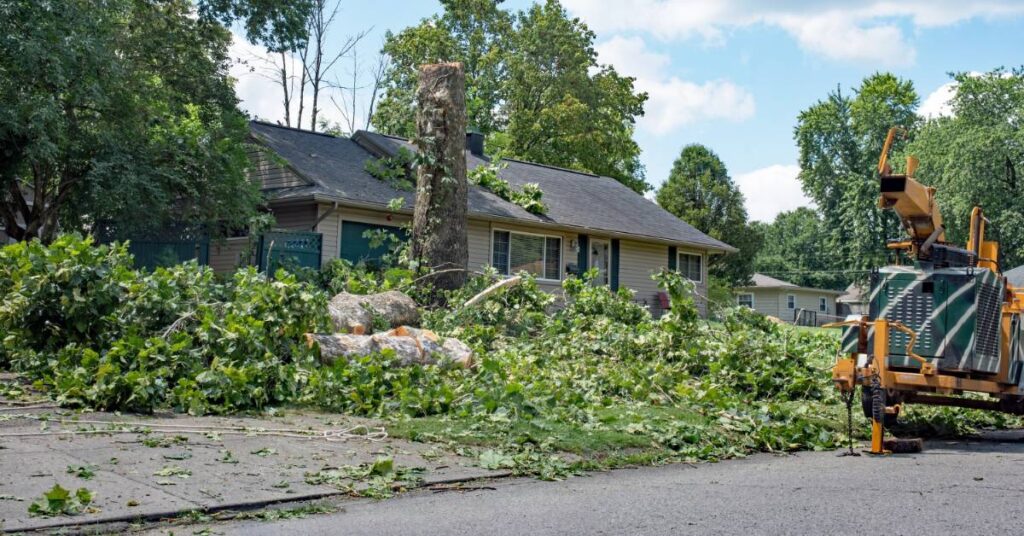
Waiting too long to address emerald ash borer damage can reduce treatment options and complicate removal. Severely infested ash trees often become brittle, increasing the challenges crews face when working around homes and valuable landscaping. Homeowners who identify problems early gain more time to investigate funding resources, compare professional recommendations, and organize necessary documentation. This preparation supports safer decisions without relying on uncertain financial assistance.
Get Professional Guidance for Omaha Ash Removal
Great Plains Tree Care helps Omaha homeowners navigate challenging ash tree situations with knowledgeable assessments and practical removal recommendations. Our team understands the importance of protecting surrounding structures, maintaining property value, and addressing hazardous trees before conditions worsen. Whether your ash tree needs professional treatment or complete removal, we can help you understand the available options and associated work.
Contact Great Plains Tree Care today to request a free estimate and take the next step toward protecting your Omaha property. Don’t forget to ask our team about finding funding assistance for Omaha ash removal so that we can do our best to support your property.