

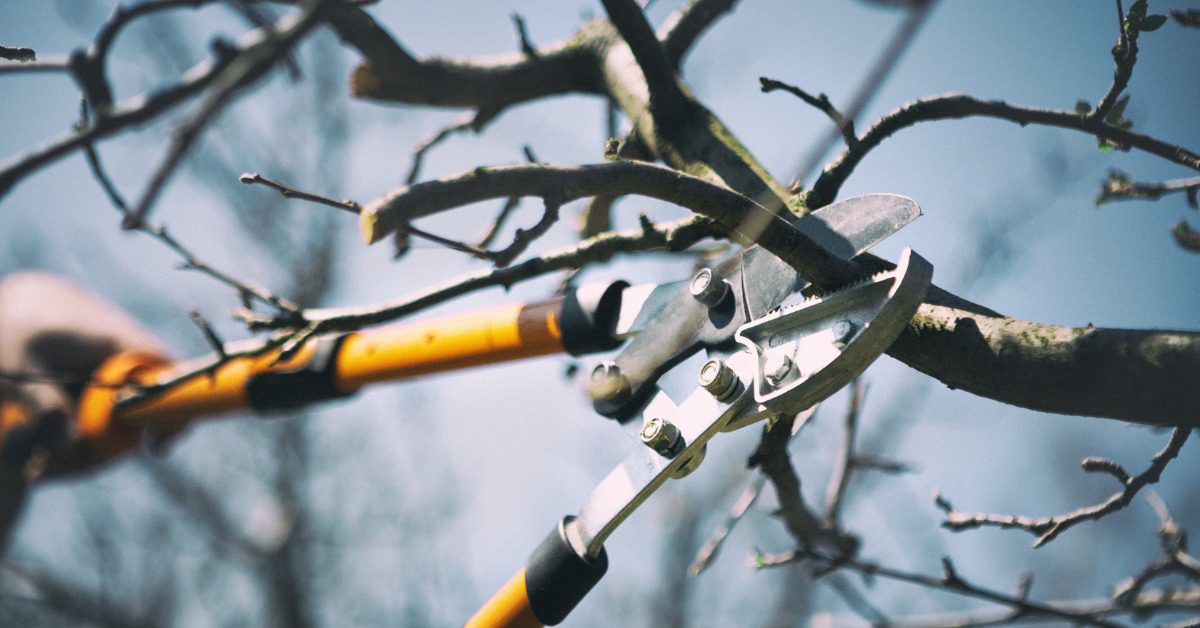
Young trees can look simple from the ground, but every new branch contributes to the structure that will support the mature canopy decades from now. Structural pruning gives arborists an opportunity to guide that growth before small defects develop into larger problems. Instead of waiting for branches to become heavy, crowded, or poorly attached, a thoughtful pruning plan addresses developing concerns while cuts remain relatively small.
For Omaha homeowners who want trees to become lasting parts of their properties, early structural care creates a stronger foundation for future growth. Great Plains Tree Care goes into greater detail about structural pruning methods for young yard trees and why this care plan works best.
A Strong Central Leader
Many young shade trees benefit from a single dominant stem that continues upward through the crown and establishes a clear central leader. Competing upright stems can create narrow attachment angles, included bark, or structural competition as stems gain diameter and weight. An arborist can identify the strongest leader and gradually subordinate competing stems without stripping away large portions of the young canopy. Early intervention makes this process easier because smaller branches require smaller cuts and give the tree more time to develop around the chosen structure.
Selecting a leader doesn’t mean cutting every upright branch that appears near the top of the tree. Some temporary branches contribute valuable leaf area, develop trunk taper, and protect young bark while the permanent crown takes shape. An arborist may shorten a competing stem rather than remove it immediately, which reduces its dominance while preserving useful foliage. Over several pruning cycles, that approach can direct more growth toward the preferred leader without placing unnecessary stress on the tree.
Identify Competing Stems Before They Become Major Limbs
Codominant stems deserve particular attention because two similarly sized stems can continue competing as a young tree matures. When those stems originate close together, their expanding trunks may press against one another instead of forming a strong union. The resulting structure can increase the chance of splitting as the canopy gains weight or encounters strong winds, snow, and ice. Corrective pruning during the tree’s younger years gives an arborist more options for managing that competition while preserving an attractive crown.
The best correction depends on the size, position, and importance of each competing stem, so removal doesn’t always provide the right first step. An arborist can reduce one stem to slow its growth while allowing the preferred stem to gain dominance over subsequent growing seasons. This method spreads structural correction across time and avoids unnecessarily large wounds on a developing trunk. Consistent evaluation matters because a branch that looks minor today can become a major structural component after several years of unchecked growth.
Develop Proper Spacing Between Permanent Branches
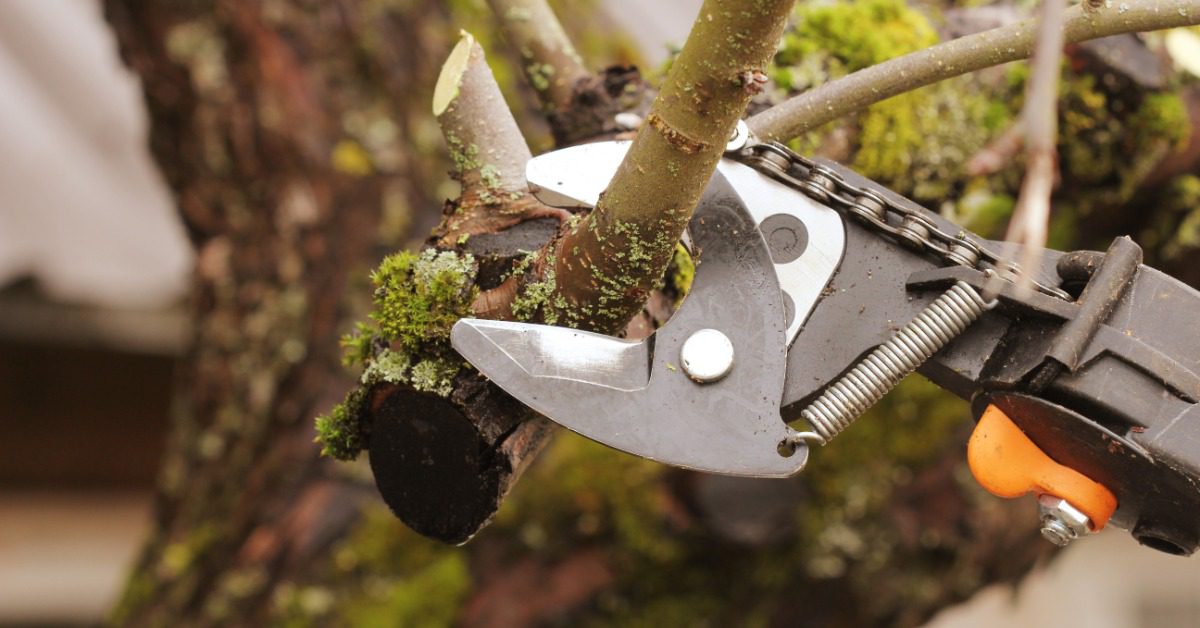
Strong structure depends on more than choosing one central leader because permanent branches also need appropriate spacing along the trunk. Several large limbs that originate from nearly the same point can crowd one another as their diameters increase. Better distribution gives individual branches room to expand and creates a more balanced framework throughout the canopy. Structural pruning therefore looks beyond current appearance and considers how each branch may interact with neighboring limbs as the tree matures.
Arborists often distinguish between temporary branches and limbs that may eventually become part of the permanent crown. Temporary branches can support trunk development now even if an arborist plans to remove or shorten them during later pruning cycles. Permanent limbs require more careful selection because their eventual size and position can influence clearance, canopy balance, and structural stability for decades. Planning these roles early can prevent a future situation where several mature limbs compete for the same limited space.
Manage Branch Diameter and Attachment
Branch size in relation to the trunk can tell an arborist a great deal about how a young tree develops. A branch that approaches the diameter of the trunk may begin competing with the central leader rather than functioning as a subordinate lateral limb. Allowing several oversized lateral branches to dominate can disrupt the intended framework and make later correction more difficult. Structural pruning can slow those branches while directing future growth toward a more sustainable hierarchy.
Branch attachment also matters because narrow unions can create areas where bark becomes trapped between expanding stems. Wide, well-formed attachments generally give developing branches more favorable structural relationships with the trunk than tight competing unions. Arborists evaluate these features together rather than judging a limb solely by its angle or visual position. A complete assessment can determine whether a branch should remain, receive a reduction cut, or leave the developing framework over time.
Use Reduction and Removal Cuts Strategically
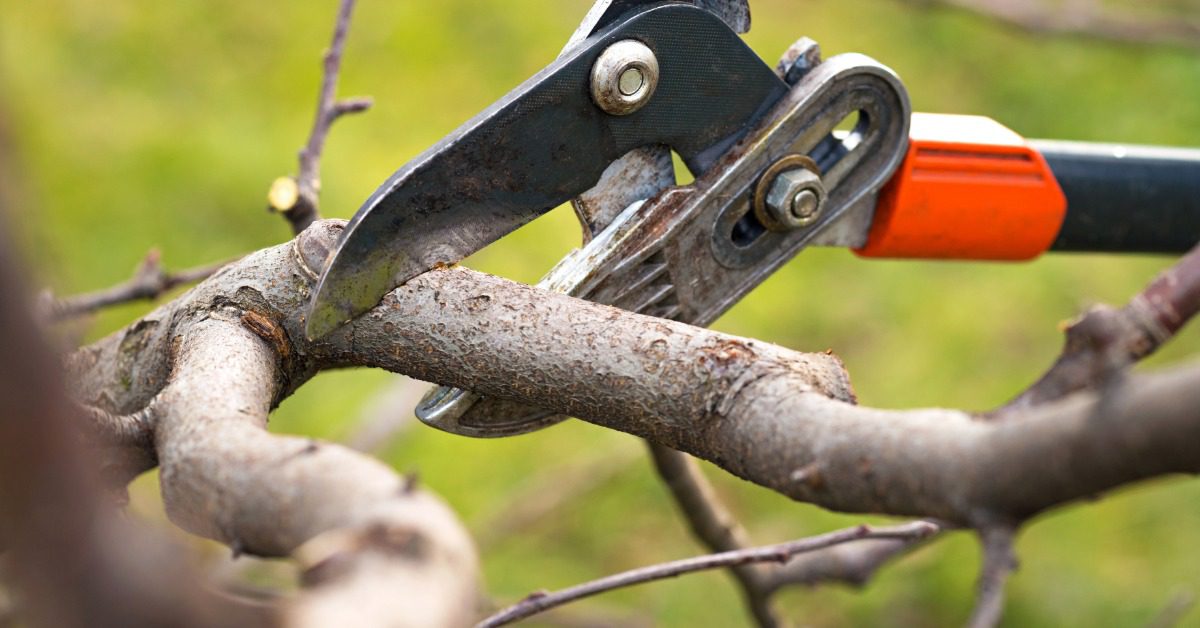
Structural pruning requires choosing not only which branches need attention but also how to address them. Reduction cuts can shorten a branch back to an appropriate lateral, limiting its influence while retaining part of its foliage and function. Removal cuts eliminate a branch at its point of origin when keeping that branch no longer supports the structural plan. Skilled arborists use each technique selectively because the location and purpose of a cut matter just as much as the number of cuts.
Homeowners may feel tempted to remove every awkward-looking branch during one pruning session, but young trees still need foliage to produce energy and support growth. Excessive pruning can unnecessarily reduce leaf area and interfere with the tree’s normal development. A staged approach allows the arborist to address the highest-priority structural concerns first and reassess lower-priority branches during future visits. This strategy makes residential tree pruning a developmental process rather than a one-time cosmetic treatment.
Keep Temporary Branches Working for the Tree
Not every branch on a young tree needs a permanent place in the mature canopy. Lower temporary branches can provide useful leaf area while helping the trunk develop diameter and taper during early growth. Removing them too quickly can leave a thin trunk with less foliage available to support the tree’s development. Instead, professional arborists can manage their size so that they continue providing benefits without competing with permanent scaffold branches.
A practical structural plan may manage temporary branches by focusing on the following priorities:
- Keep useful lower foliage while the trunk develops.
- Shorten vigorous temporary branches before they become dominant.
- Prevent low limbs from competing with the central leader.
- Remove damaged, rubbing, or poorly positioned growth when appropriate.
- Select permanent scaffold limbs with future spacing in mind.
- Reassess branch roles as the tree gains height and trunk diameter.
Give Young Trees a Better Structural Start
Great Plains Tree Care provides professional tree trimming and aesthetic pruning for properties throughout the Omaha metro area, with a focus on tree health, safety, and long-term value. Our Nebraska-certified arborists evaluate the individual tree and its surroundings before recommending a pruning approach because no two developing canopies follow exactly the same path.
We want the trees that define your property today to remain valuable parts of Omaha’s urban forest well into the future. Contact Great Plains Tree Care to request a free estimate and discuss a structural pruning method for the young trees on your property.