

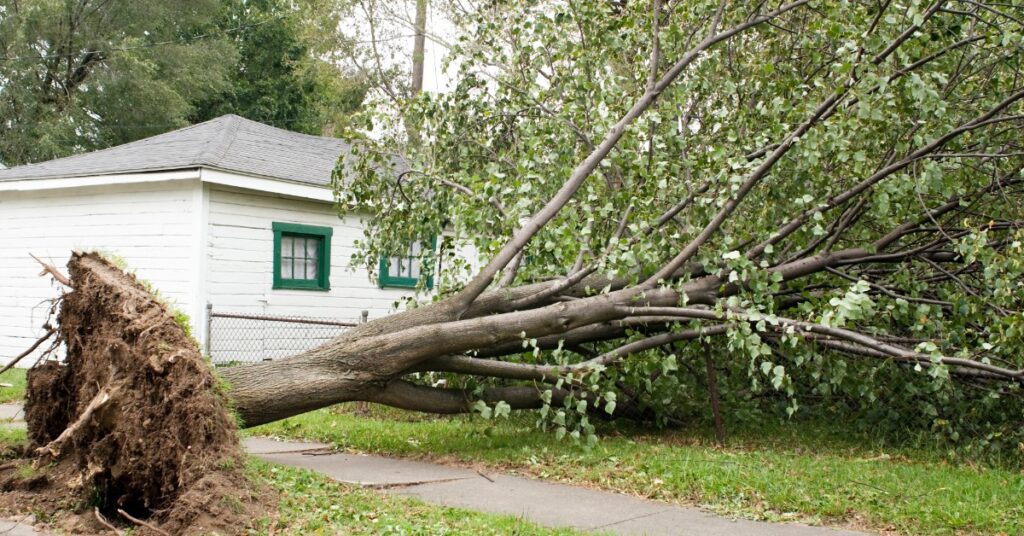
When a mature tree falls across a home, garage, fence, or neighboring property, the cleanup is only one part of the problem. Homeowners also need to understand how their insurance policy may separate tree removal, structural damage, debris handling, and other expenses after the event. These distinctions can affect what an insurer considers part of a covered loss and what costs remain the property owner’s responsibility.
Because policies, endorsements, deductibles, and claim decisions vary, homeowners should review their own documents and speak directly with their insurer or adjuster before assuming a particular expense qualifies for reimbursement. Great Plains Tree Care created this guide to help you understand insurance policy rules for tree fall. Although it’s worth noting that your exact policy details may vary and you should triple-check your policy with your provider.
Why Tree-Fall Insurance Claims Can Get Complicated
A fallen tree can create several different types of expenses during a single incident, and an insurance policy may not treat every expense the same way. The tree itself may require cutting and removal, while the impact may also damage roofing, siding, gutters, windows, fencing, vehicles, or detached structures. Emergency stabilization can add another layer when crews must address hanging limbs or unstable sections before normal cleanup can begin. Homeowners can ask clearer questions when they report a loss or review an estimate once they fully understand these separate components.
As such, the cause of the fall matters because insurance coverage generally depends on the terms, exclusions, and covered perils written into the individual policy. Wind, lightning, ice, decay, neglect, and other circumstances can lead to different questions during a claim review. A homeowner should avoid assuming that a tree’s location or size alone determines whether an insurer will pay for removal or resulting property damage. Instead, the claim process usually requires documentation that connects the event, the damage, and the requested work.
Structural Boundaries Matter After a Tree Falls
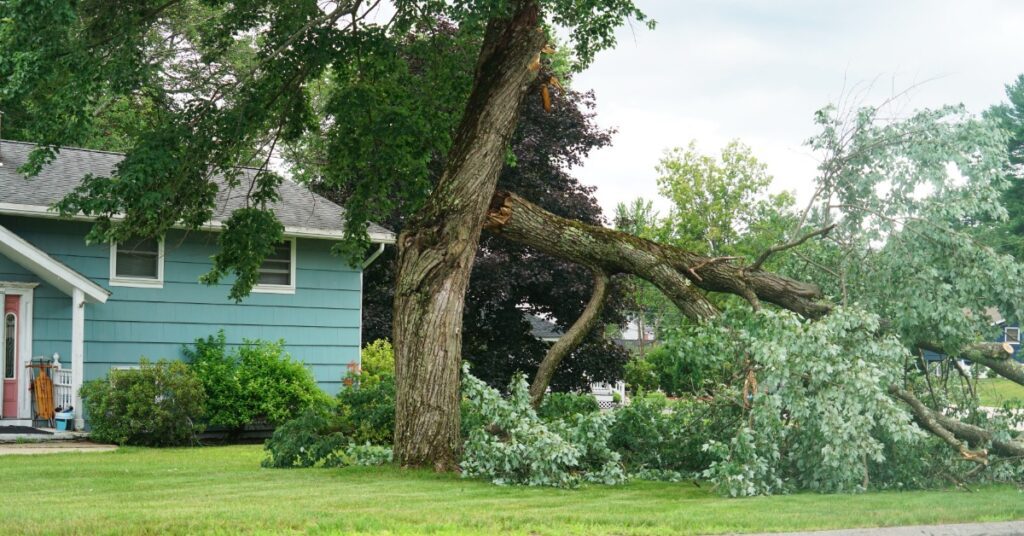
Insurance conversations often become more detailed when a tree crosses from the yard onto an insured structure. A tree that falls harmlessly into an open section of lawn creates a different loss scenario from one that penetrates a roof, blocks an attached garage, or damages another covered part of the property. Insurers may distinguish between the cost of addressing the tree and the cost of repairing the structure, depending on the language of the policy. This makes the physical boundary between landscaping, access areas, and insured structures an important point to document after a storm.
Detached structures can add another question because policies may classify garages, sheds, fences, and similar improvements differently from the primary dwelling. Homeowners should identify exactly what the tree struck instead of describing the incident only as a fallen tree claim. Photos should show the tree’s point of origin, its path of travel, every visible impact point, and the surrounding property. Clear documentation gives the insurer a better picture of the event and helps the tree care contractor define the work that the property needs.
Tree Ownership Doesn’t Automatically Decide Coverage
Property lines can make a tree-fall event feel even more confusing, especially when a tree begins on one property and lands on another. Homeowners sometimes assume that the person who owned the tree must automatically pay for all resulting damage, but insurance and liability questions can depend on the circumstances and applicable law. The condition of the tree, prior knowledge of a hazard, the cause of failure, and the language of the relevant policies may all become important. Homeowners should direct liability questions to their insurer or qualified legal counsel rather than relying on assumptions made at the cleanup site.
From a tree care perspective, the immediate priority remains identifying hazards and creating a safe plan for damaged material. A fallen trunk may rest under tension, broken limbs may hang overhead, and root plates can shift after crews begin cutting. Such conditions require professional judgment regardless of which insurer ultimately handles a particular portion of the loss. Here at Great Plains Tree Care, we will focus on the tree work while you, the homeowner, and insurance professionals determine how the policy applies.
What Homeowners Should Document Before Cleanup
Safety comes before documentation, so homeowners should never enter an unstable area simply to take better photographs. However, when conditions allow safe observation, a thorough record can make later conversations with an adjuster easier and more specific. Capture the scene before major cleanup changes it, then continue documenting important stages as emergency work progresses. Keep estimates, invoices, claim correspondence, and any instructions from the insurer together so that the sequence of events remains easy to follow.
Useful documentation often includes:
- Wide photos showing the entire tree-fall area and nearby structures
- Close photos of roof, siding, fence, garage, or other visible damage
- Images of the trunk, major limbs, stump, and exposed root plate
- Notes about when the incident occurred and observed weather conditions
- Written estimates that separate major categories of tree work
- Receipts and invoices for authorized emergency or cleanup services
- Claim numbers and written instructions received from the insurer
Preventive Tree Care Can Reduce Future Risk
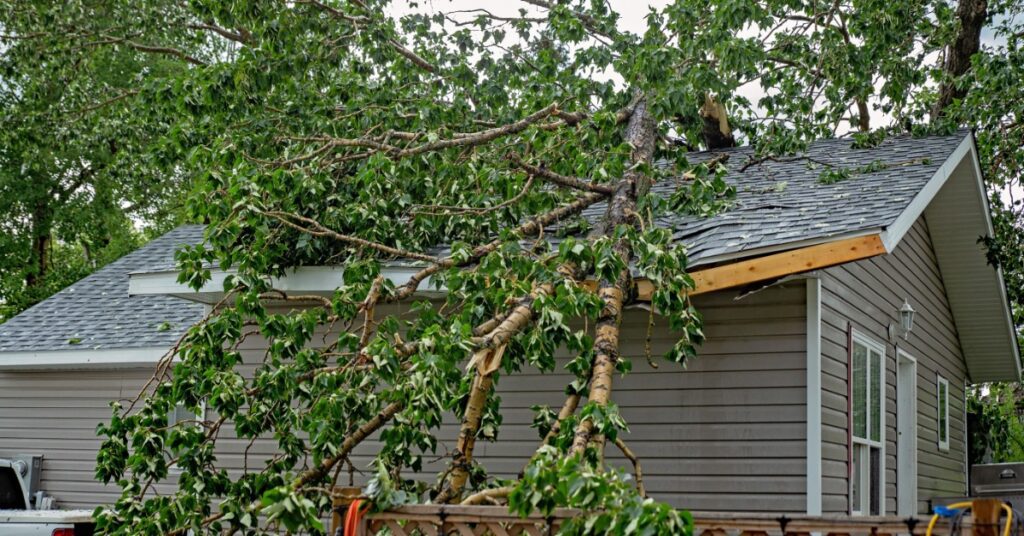
Insurance becomes relevant after a loss, but proactive tree care gives property owners an opportunity to address recognizable hazards before severe weather exposes them. Deadwood, weak attachments, declining trunks, damaged root systems, and overextended limbs can warrant professional evaluation depending on the tree and site. An arborist can assess the tree’s condition and recommend pruning, risk reduction, treatment, monitoring, or removal when circumstances call for it. This approach supports property safety and the long-term value of healthy trees.
Moreover, Great Plains Tree Care views complete removal as a last-resort option when a tree can remain safe and beneficial with appropriate care. Crown reduction, deadwooding, and selective limb removal can sometimes reduce risk while preserving a mature tree’s contribution to the landscape. When a tree presents an unacceptable hazard or has declined beyond a practical preservation option, Omaha tree removal may become the most responsible next step. The goal isn’t to remove trees unnecessarily but to make informed decisions before a preventable hazard becomes an emergency.
Plan the Tree Work and Insurance Conversation Together
Great Plains Tree Care helps property owners address hazardous, storm-damaged, and unwanted trees with an emphasis on safety and careful work around homes and other structures. The company serves Omaha, Bellevue, and surrounding communities with professional tree removal, pruning, storm damage repair, stump services, and tree preservation work. If a fallen or compromised tree threatens your property, request a free estimate so that our team can properly evaluate the tree and explain the work needed on-site.
For questions about reimbursement or coverage, pair our tree assessment with guidance from your insurance carrier so that you understand the physical solution and the terms of your policy.