

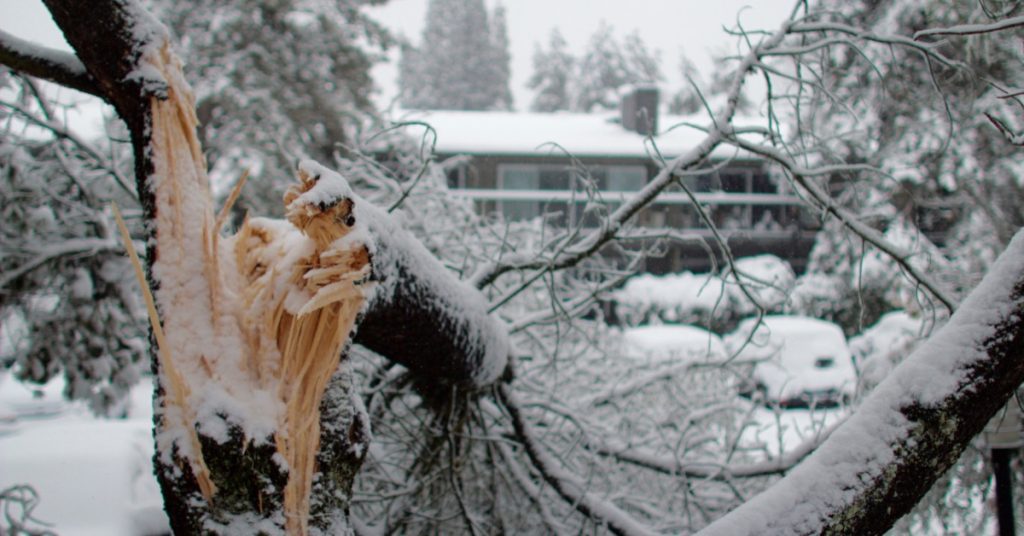
Winter storms can expose structural weaknesses that remained almost invisible during calm weather. Heavy snow, ice accumulation, and strong winds place additional force on trunks, unions, and long lateral branches, sometimes turning an overlooked defect into sudden breakage. Mature trees near houses, driveways, streets, and utility areas deserve particular attention because falling limbs can affect much more than the tree itself. Proactive structural care gives property owners an opportunity to address identifiable weaknesses before severe weather puts them under maximum stress.
Healthy-looking foliage doesn’t necessarily guarantee strong tree architecture. A tree may continue growing around weak branch unions, old wounds, bark, or disproportionate limbs for years. Arborists evaluate structure differently from homeowners who mainly see a full canopy and attractive shape. Understanding these structural factors can help property owners make better decisions before winter arrives. Great Plains Tree Care explains preventing winter storm structural tree failures to help you get ahead of the upcoming season.
Inspect Trees Before Severe Weather Season
A preseason inspection gives you time to act while conditions remain manageable. Walk around important trees and look for changes in trunk condition, major limbs, canopy balance, and the ground surrounding the root zone. Compare current conditions with what you remember from previous seasons. New cracks, hanging branches, or sudden leaning deserve professional attention.
Ground-level observations provide useful clues, but they cannot reveal every defect. Large trees may have weak unions or damaged branches high in the canopy where homeowners cannot inspect them safely. Great Plains Tree Care employs Nebraska-certified arborists who work with urban trees throughout the Omaha area. A professional assessment with one of our professionals can identify structural concerns and recommend an appropriate response before a storm forces the issue.
Understand Why Branch Unions Matter
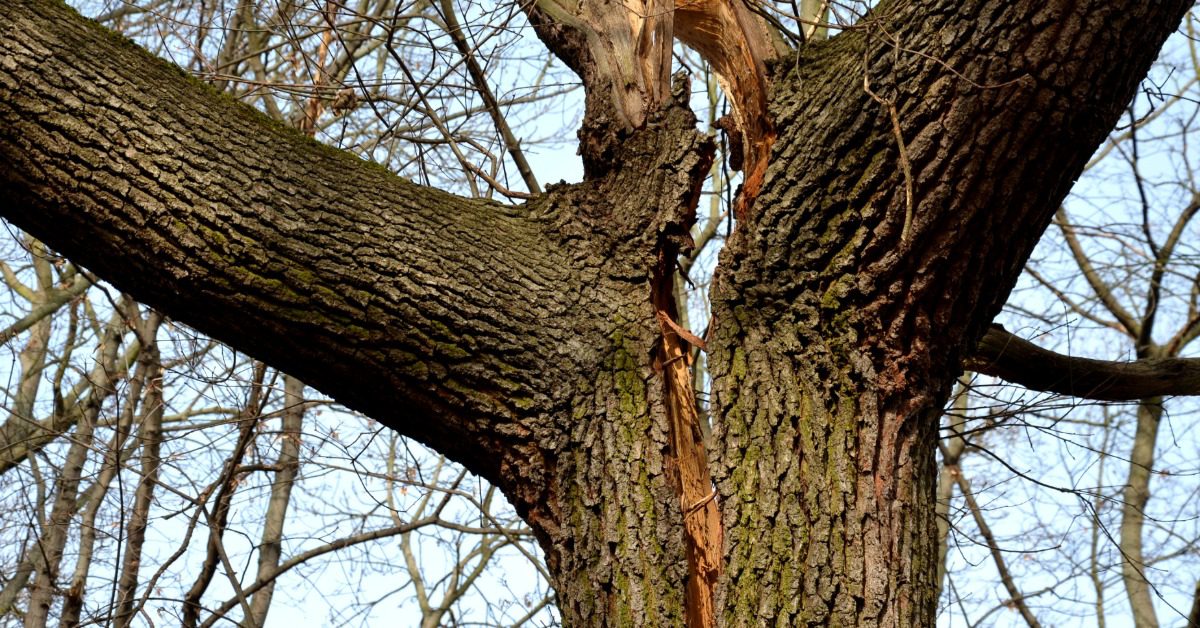
Branches transfer significant forces into their attachment points during high winds and under added snow or ice weight. Strong unions generally provide better structural support than narrow attachments with problematic growth patterns. Included bark can develop when bark becomes trapped between closely growing stems, potentially weakening the connection. Large codominant stems can also deserve additional evaluation because they may divide substantial portions of the canopy between competing leaders.
Not every unusual-looking union will fail, so avoid making drastic pruning decisions based solely on appearance. Arborists consider tree species, branch size, attachment structure, surrounding targets, and other factors before recommending treatment. Structural risk involves the likelihood of failure and what the falling material could strike. That context makes professional evaluation particularly useful for mature trees near occupied spaces.
Reduce Excessive End Weight Through Pruning
Long branches can place substantial leverage on their attachment points. Snow or ice adds more weight farther from the trunk, increasing the forces acting on weak areas. Thoughtful pruning can sometimes reduce that leverage while preserving the branch and the tree’s natural form. The goal doesn’t involve indiscriminately cutting back the entire canopy.
Proper structural pruning requires an understanding of branch relationships and tree biology. Removing too much foliage at once can create additional stress and alter how wind moves through the canopy. Poor cuts can also damage healthy tissue or encourage undesirable regrowth. An experienced arborist can identify which branches warrant reduction and how much pruning makes sense.
Explore Dynamic Cabling for Appropriate Trees
Some structurally important branches can benefit from supplemental support rather than removal. Dynamic cabling systems aim to reduce excessive movement while allowing a degree of natural flexibility. This approach may support particular branch relationships when an arborist determines that the tree makes a suitable candidate. The system doesn’t make a tree incapable of failure, nor does it replace proper inspection.
Dynamic systems differ from simply tying branches together with improvised materials. Arborists consider attachment points, branch movement, tree growth, and the structural concern that prompted the recommendation. They also need to account for future inspection because trees continue changing after installation. Supplemental support works best as part of an ongoing tree-care strategy rather than a one-time fix that nobody checks again.
Recognize Warning Signs That Need Faster Action
Some tree conditions justify quicker professional attention, particularly when large branches hang over buildings or frequently occupied areas. Property owners don’t need to diagnose the exact defect before making a call. The important step involves recognizing meaningful changes and avoiding unnecessary exposure beneath questionable branches. After a major storm, inspect important trees again from a safe location.
Contact our tree-care professionals when you notice concerns, such as:
- Fresh cracks in trunks or major branch unions
- Large broken limbs lodged in the canopy
- Sudden or increasing lean
- Hanging branches over occupied areas
- Major limbs separating at attachment points
- Visible root-zone movement after strong winds
Have an Emergency Plan Before the Storm
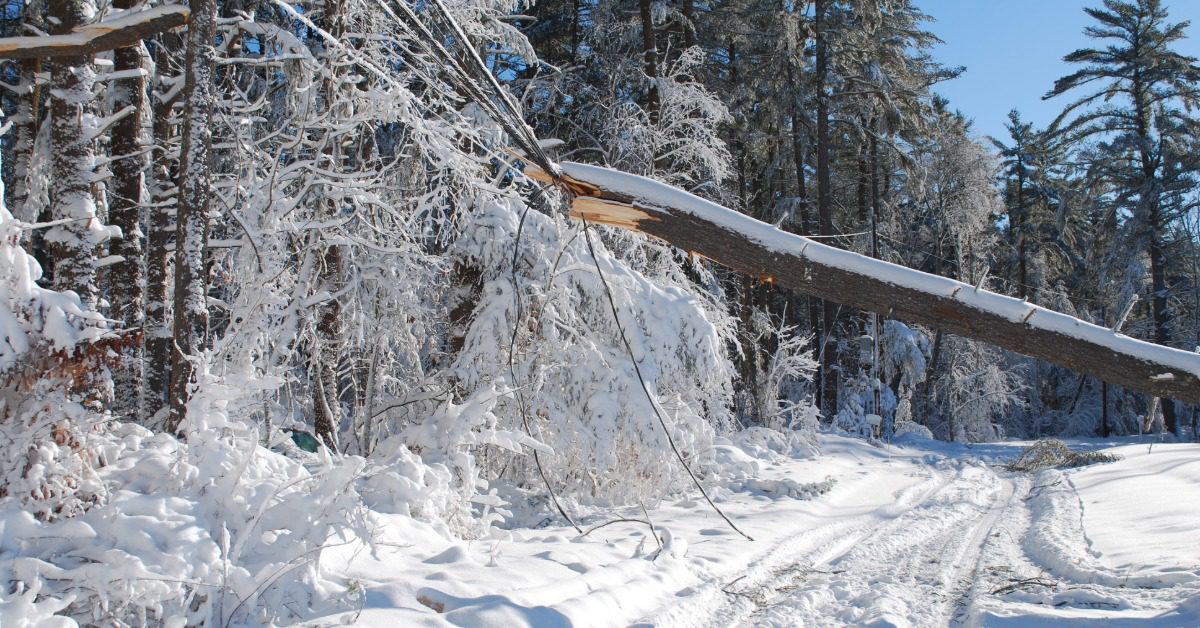
Even well-maintained trees can suffer damage during unusually severe weather. Knowing who to call before a storm arrives prevents frantic searching when a large limb suddenly blocks a driveway or threatens a structure. Save the contact information for a reputable local arborist and understand what constitutes an urgent situation. Keep family members away from damaged trees until professionals can assess them.
An emergency tree service becomes especially important when storm damage creates an immediate property or access concern. Great Plains Tree Care provides storm damage repair and emergency services throughout its professional tree-care offerings in the Greater Omaha area. Property owners should contact us for a free estimate or to discuss concerns before winter weather exposes existing weaknesses. Establishing that relationship ahead of time can make an already stressful storm event easier to manage.
Make Structural Care an Ongoing Process
Trees grow continuously, which means their structural relationships change over time. A branch that presents little concern today may gain considerable length and weight over the next several years. Support systems also need inspection as trees expand around their attachment points and respond to previous pruning. Preventive tree care works best when property owners treat it as an ongoing responsibility.
Preventing winter storm structural tree failures involves a little more than cleaning gutters and storing patio furniture. Evaluating important trees can reduce uncertainty before snow, ice, and wind place additional stress on the canopy. Great Plains Tree Care combines pruning, structural tree work, storm response, removal, treatments, and other arboricultural services for Omaha-area properties. Calling us for a professional assessment before severe weather arrives gives homeowners more options than waiting until a weakened branch finally comes down. Get a free estimate today or request emergency services.